Gulf Coast Wing's AC-47 "Spooky" Gunship
New Role for an Air Cargo Legend
As the success of airline travel surged in the late 30s the Douglas DC-3 became the most used commercial passenger aircraft in the world, operated by almost 90% of airline companies. Among the model variants, there was even a 14 bed sleeper version built for transcontinental travel.
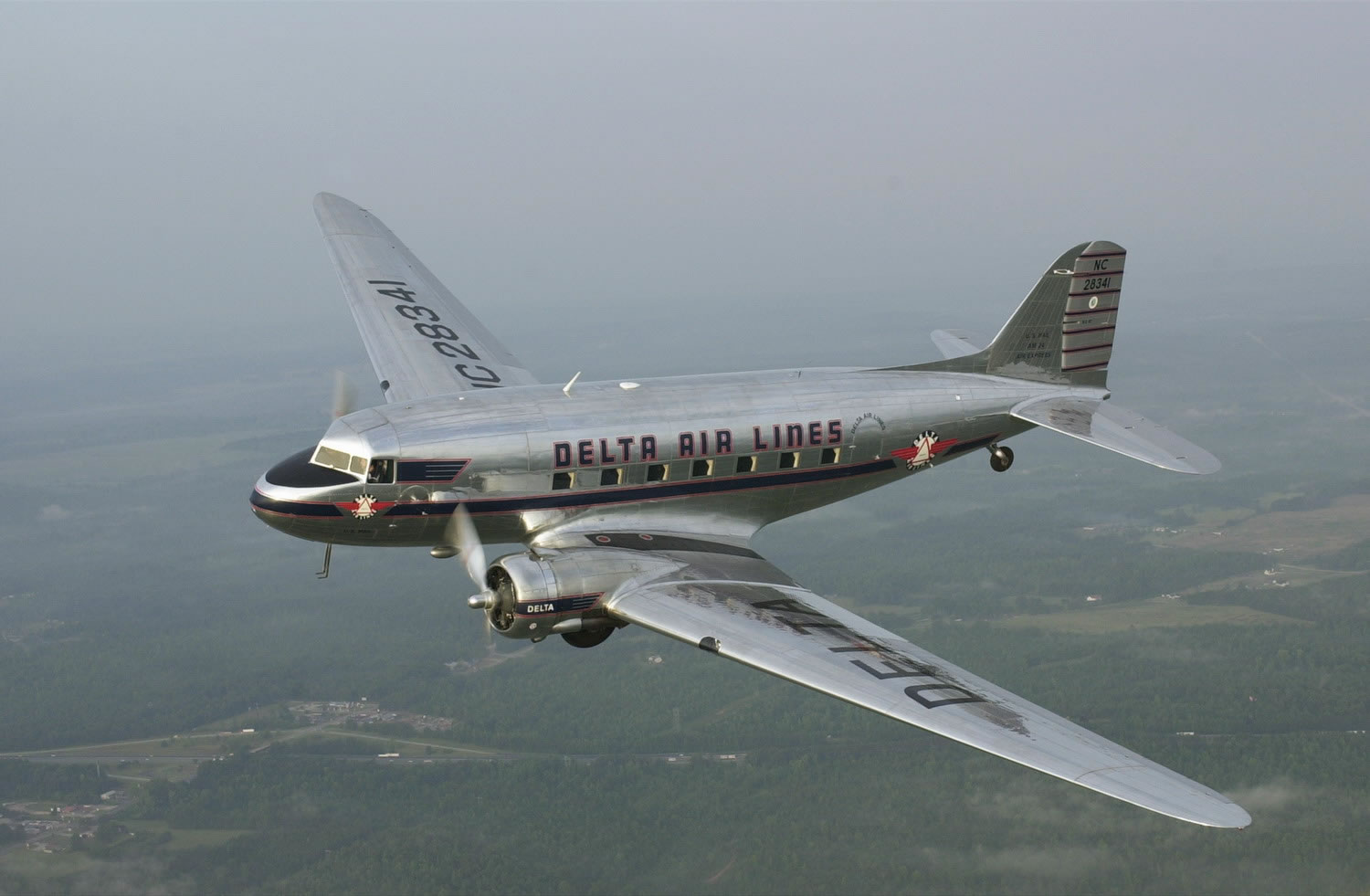
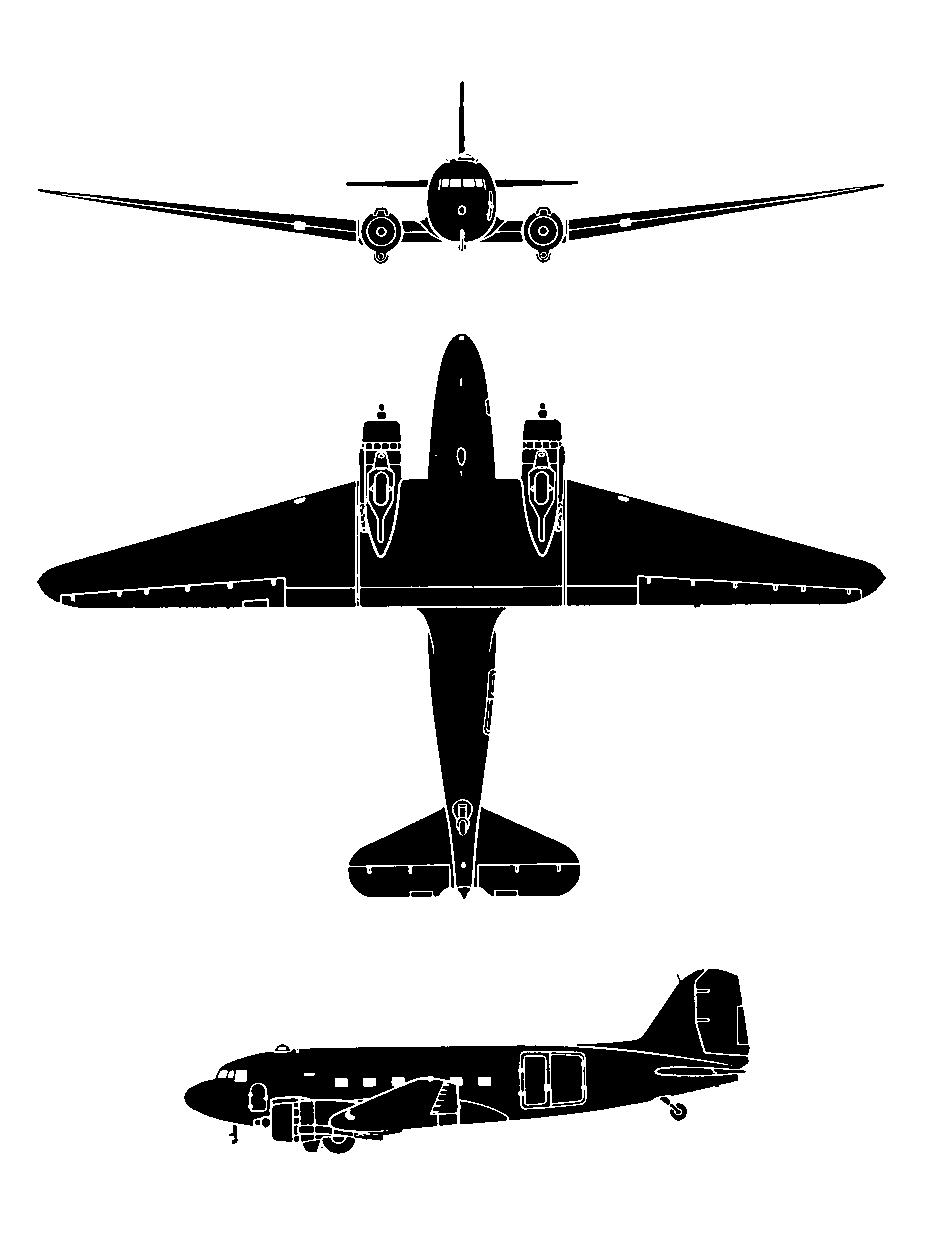
The qualities which made the DC-3 a fine airliner made the C-47 Skytrain a superb military transport, which served in every theater of the war. The twin engined C-47 was rugged and reliable, and could fly from primitive airfields in the midst of the war zone, carrying cargo, troops or towing gliders.
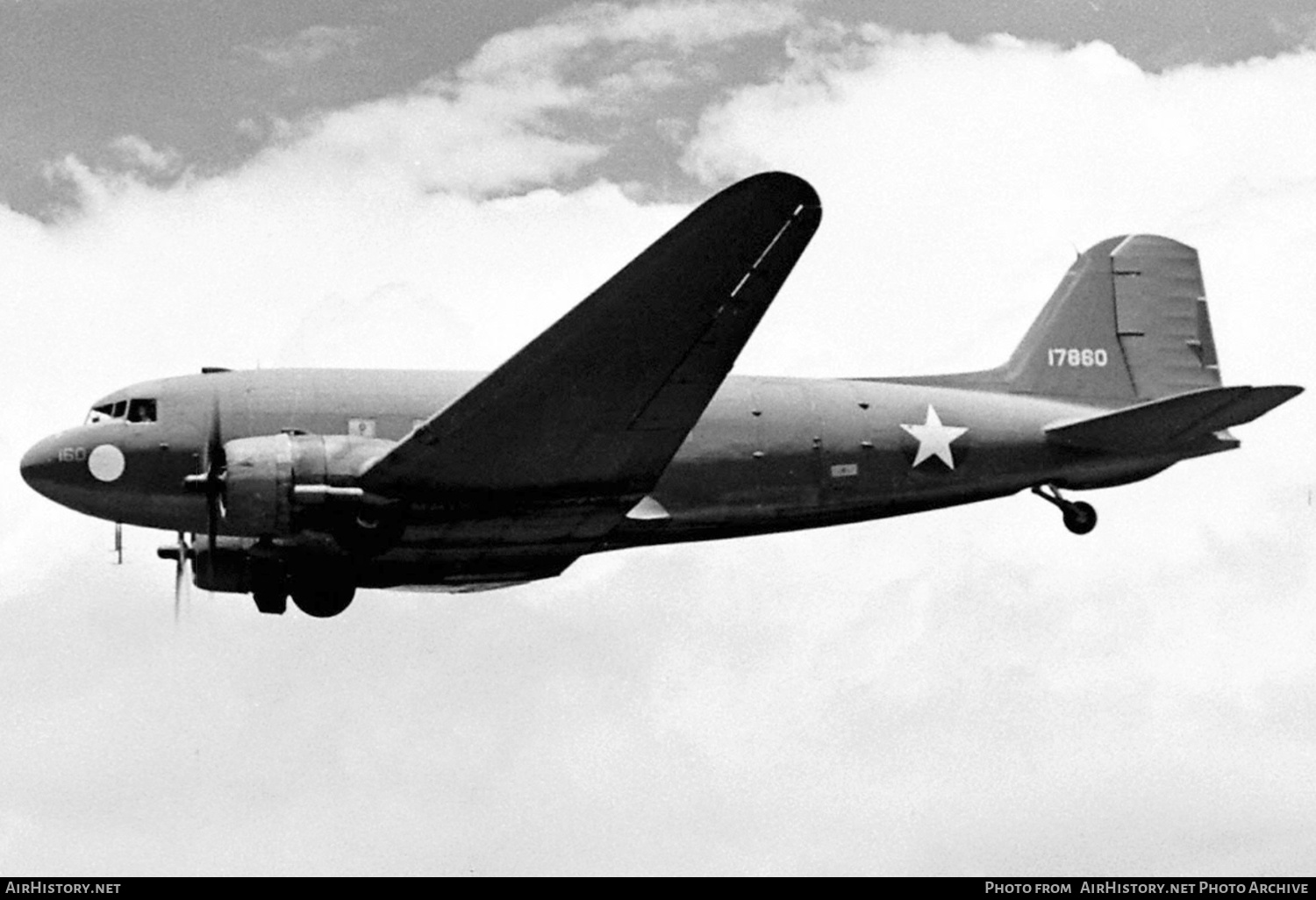
Photo courtesy of AirHistory.net Photo Archive - https://www.airhistory.net/
The Skytrain was in many respects the most versatile military aircraft ever built and flew in a number of very important operations. The most memorable C-47 mission was the dropping of paratroopers in Normandy in the hours before the 6 June 1944 invasion of Europe by Allied armies. General Eisenhower called the C-47 one of the four most important weapons of the war, along with the bazooka, the Jeep and the atomic bomb.
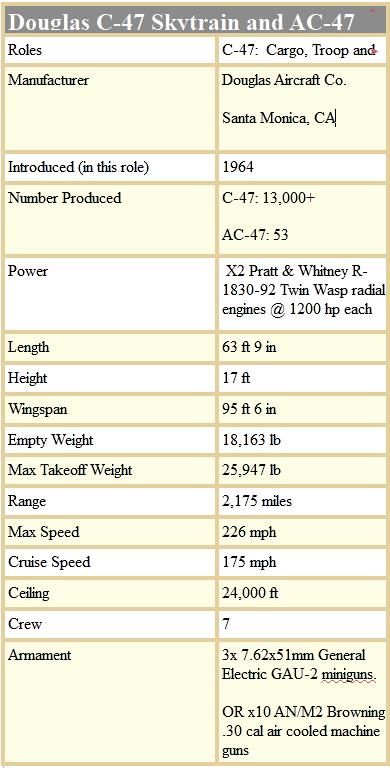
Adapted from the super successful C-47 transport, the AC-47 gunship provided close air support, base defense, and convoy protection, especially at night, by orbiting a target and delivering sustained side-firing gunfire. Its ability to loiter over a battlefield for extended periods and deliver continuous fire made it one of the most effective early counterinsurgency aircraft of the war.
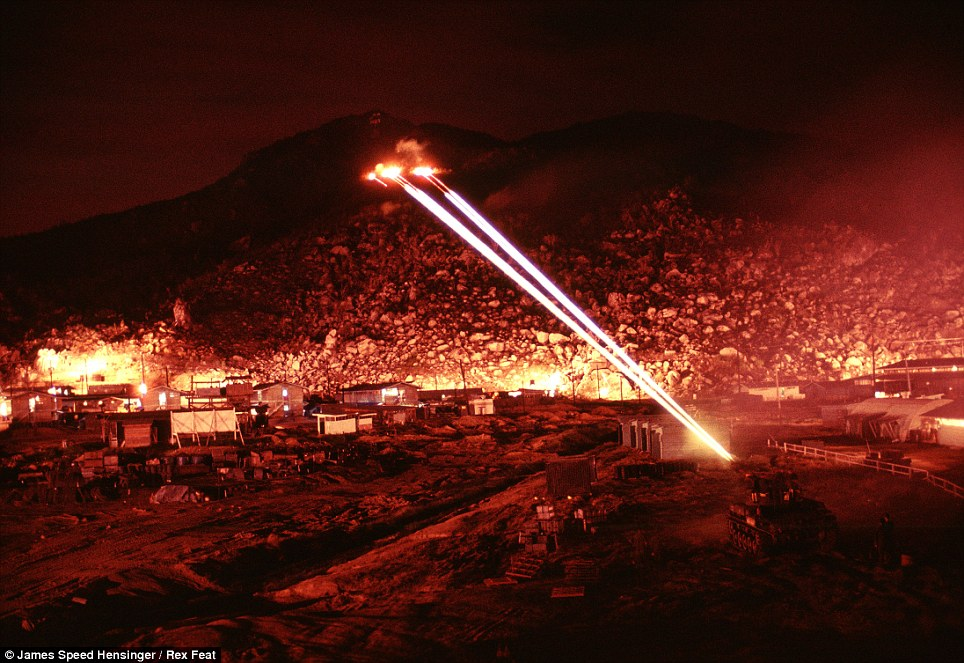
The concept of the AC-47 grew out of experiments in the early 1960s, including tests conducted in Florida that explored the feasibility of side-firing weapons from a transport aircraft. Key figures such as Captain Ronald W. Terry helped refine the concept, demonstrating that a circling aircraft could accurately concentrate fire on a fixed point.
This "long line loiter" aiming tactic made this early gunship a winner with the ground troops, who witnessed what it did to enemy positions, equipment, and personnel. It's possible that this aiming technique actually descended from the airmail delivery methods used in distant backcountry locations, and there are patents on file for personnel retrieval systems based on this same "pylon turn" technique.
Into Active Combat Service
The Douglas AC-47 “Spooky” was the first fixed-wing gunship used by the United States Air Force in Vietnam, entering combat in late 1964.
Late 1964 saw testing of AC-47 aircraft in the Vietnam theater and on into early 1965. The first formal operator of this model was 4th Commando Squadron in August 1965.
The guns used were 7.62x51mm electrically operated miniguns, General Electric SUU-11/A mounted in pods facing out the left side of the aircraft. AC-47s could carry roughly 24,000 rounds of ammunition and used flares to illuminate targets during night operations, creating the distinctive streams of tracer fire that earned it the nickname “Puff the Magic Dragon.”
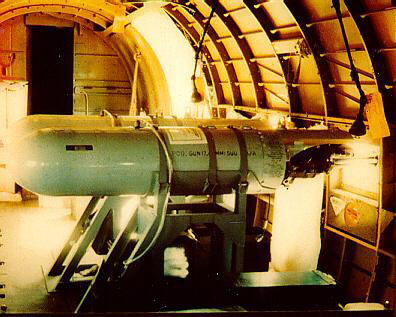
Operating units, each under a different parent unit, but lent to operations focusing on the Ho Chi Min Trail. Subsequent to command directive Aug 1968, unit names revised from previous "Air Commando" to "Special Operations" became 3rd Special Operations Squadron - 4th Special Operations Squadron - 5th Special Operations Squadron
Action reports concerning these early American gunships proved critical in the upcoming C-130 ("Gunship II") and the subsequent Fairchild C-119 ("Gunship III") conversion programs. They set the standard for loiter time, accuracy, ground coordination, and intelligence gathering. And lethality.
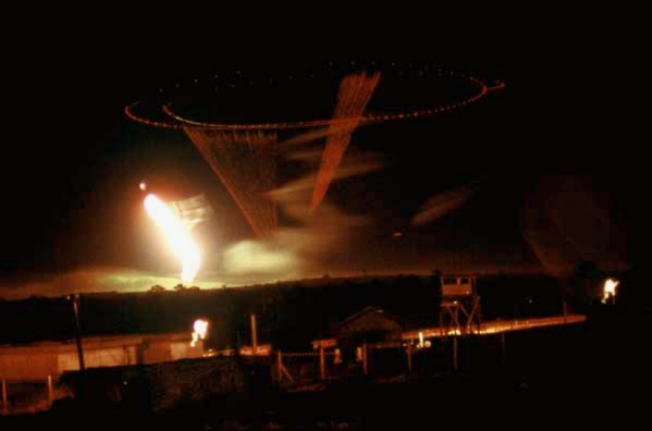
Above is photo of night attack by a Douglas AC-47 Spooky over the Military Assistance Command, Vietnam (MACV) Team 21 compound at Pleiku, Vietnam, 1969. (Photo Credit: Thomas A. Zangla, 525th Military Intelligence Group, U.S. Army / Wikimedia Commons / Public Domain)
And Into History They Flew
As more advanced gunships like the AC-119 and AC-130 entered service beginning in 1967, the AC-47 was gradually phased out of U.S. use and transferred to allied air forces, including South Vietnam, Laos, and Cambodia between 1969 and 1974. After the fall of Saigon in 1975, surviving aircraft were captured or abandoned, and due to obsolescence and lack of spare parts, most were scrapped by the late 1970s. By around 1980, no operational AC-47 gunships remained anywhere in the world.
A Spooky Reborn at Gulf Coast Wing
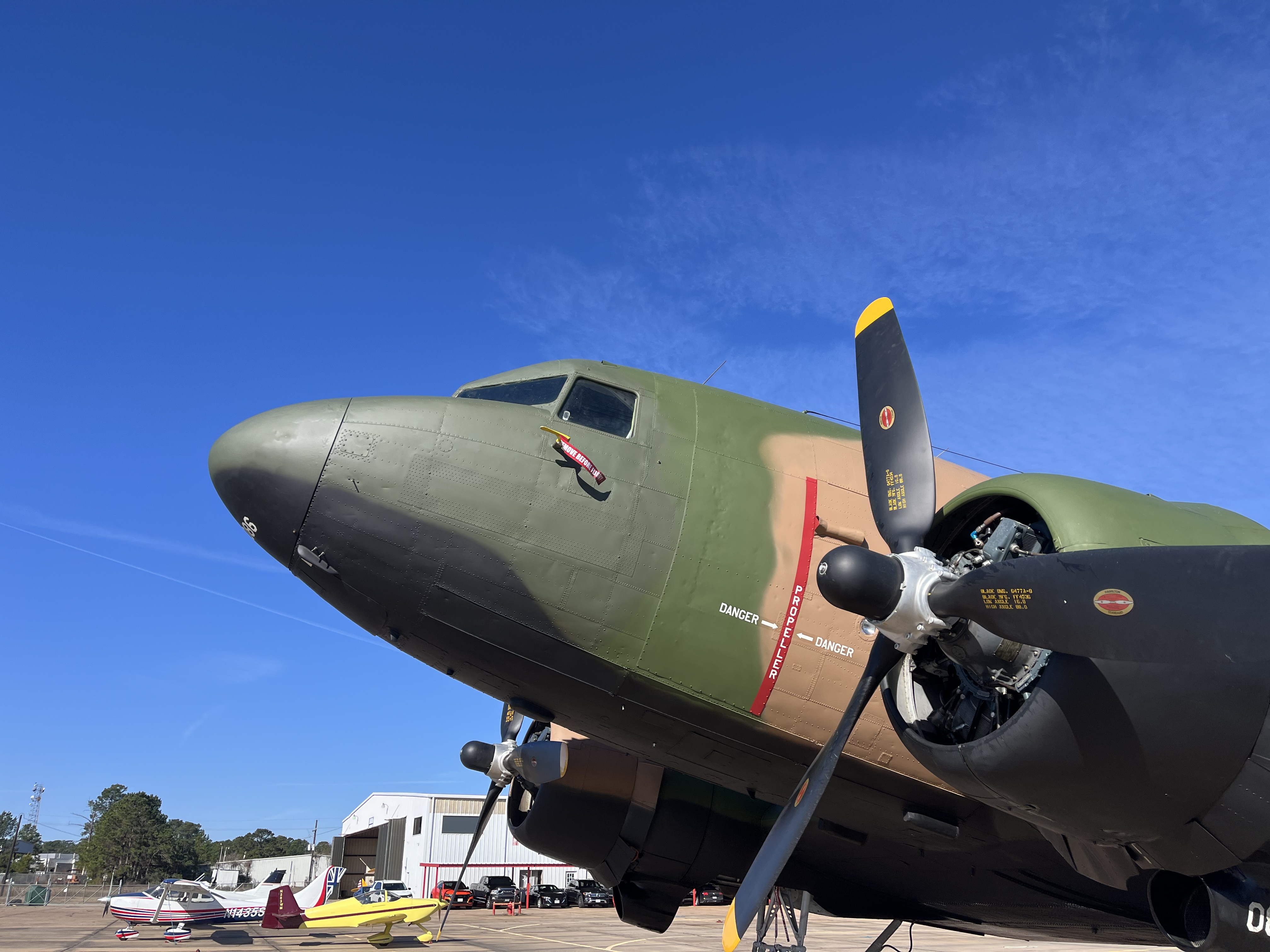
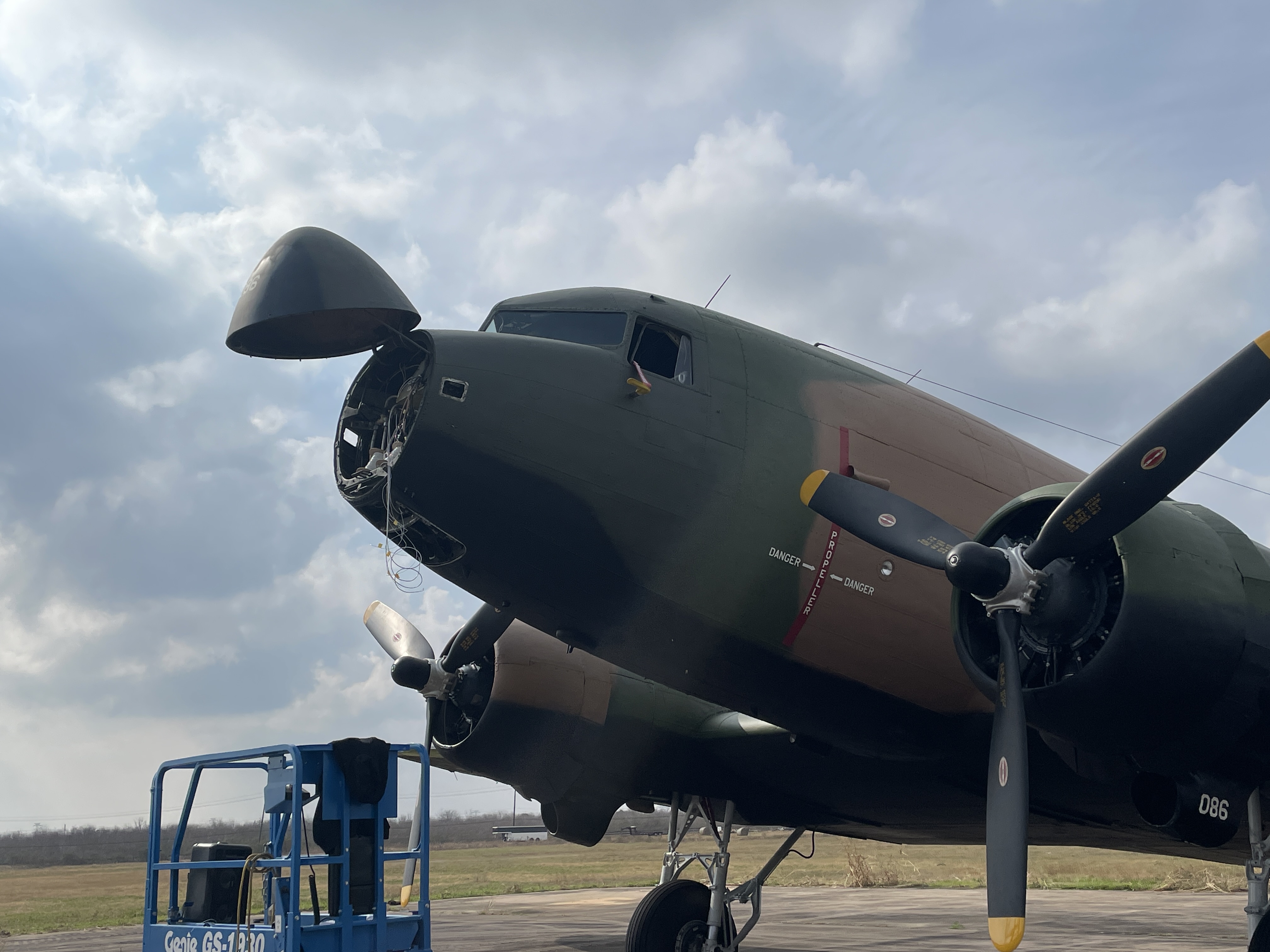
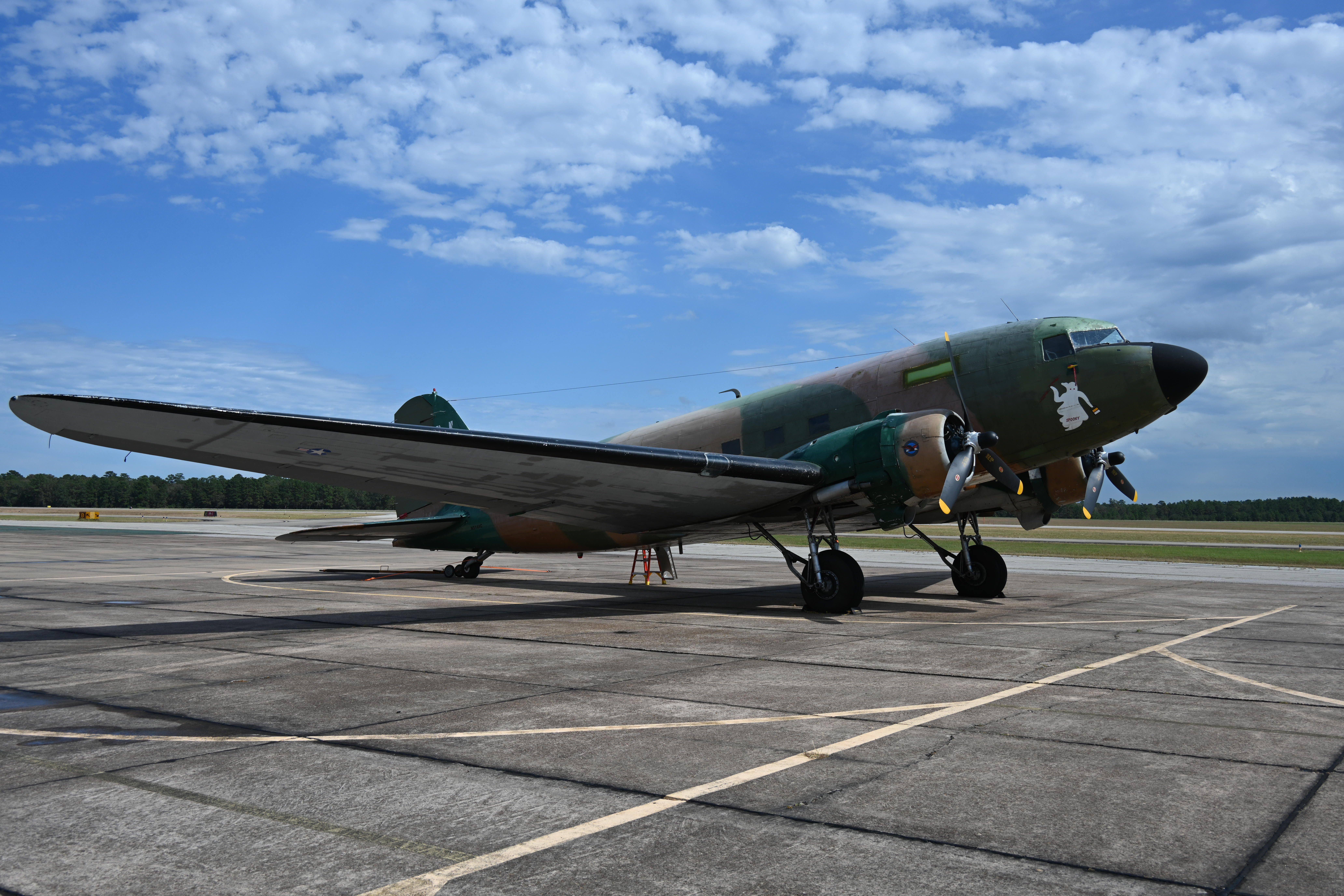
The C-47 purchased by the Gulf Coast Wing was originally built as a C-47B in Oklahoma City in 1944, entering service first with the U.S. Navy as an R4D transport. Over the decades it served as a transport, electronic warfare trainer, and anti-submarine training aircraft before transitioning to civilian and government roles, including service with the FAA and the Department of Agriculture. It later flew with the Texas Air National Guard and spent years in commercial cargo operations. In 2007, the aircraft took on the identity it carries today, appearing in AC-47 “Spooky” markings and beginning its life as a living tribute to the gunships of Vietnam.
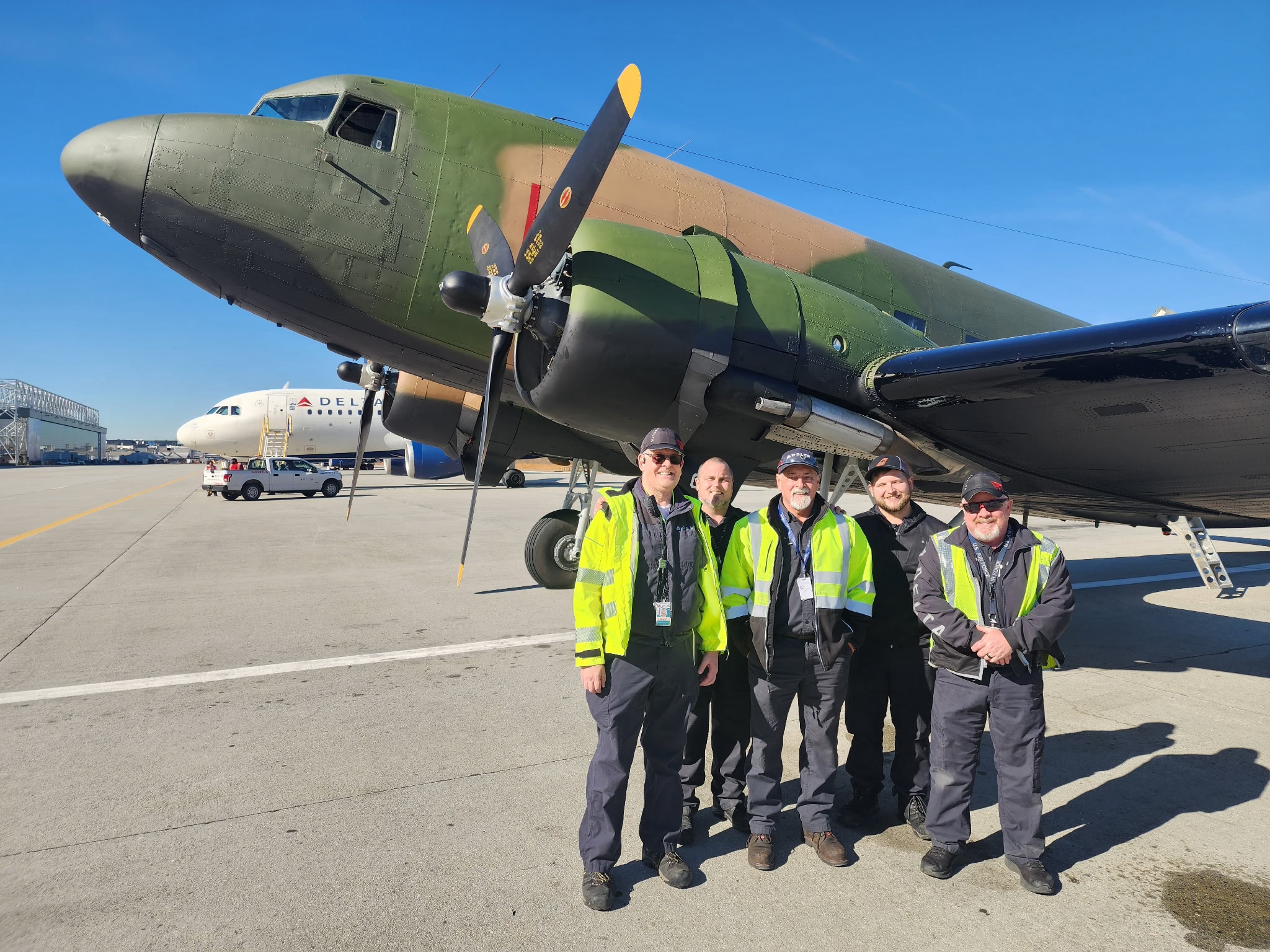
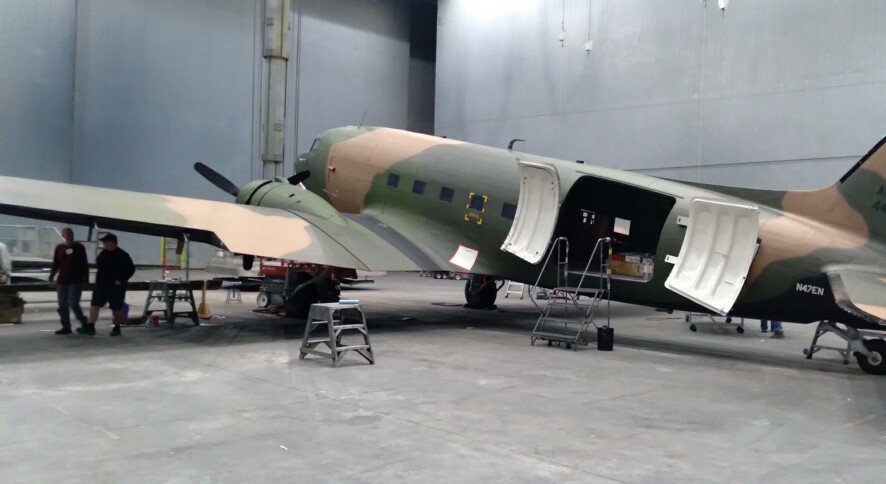
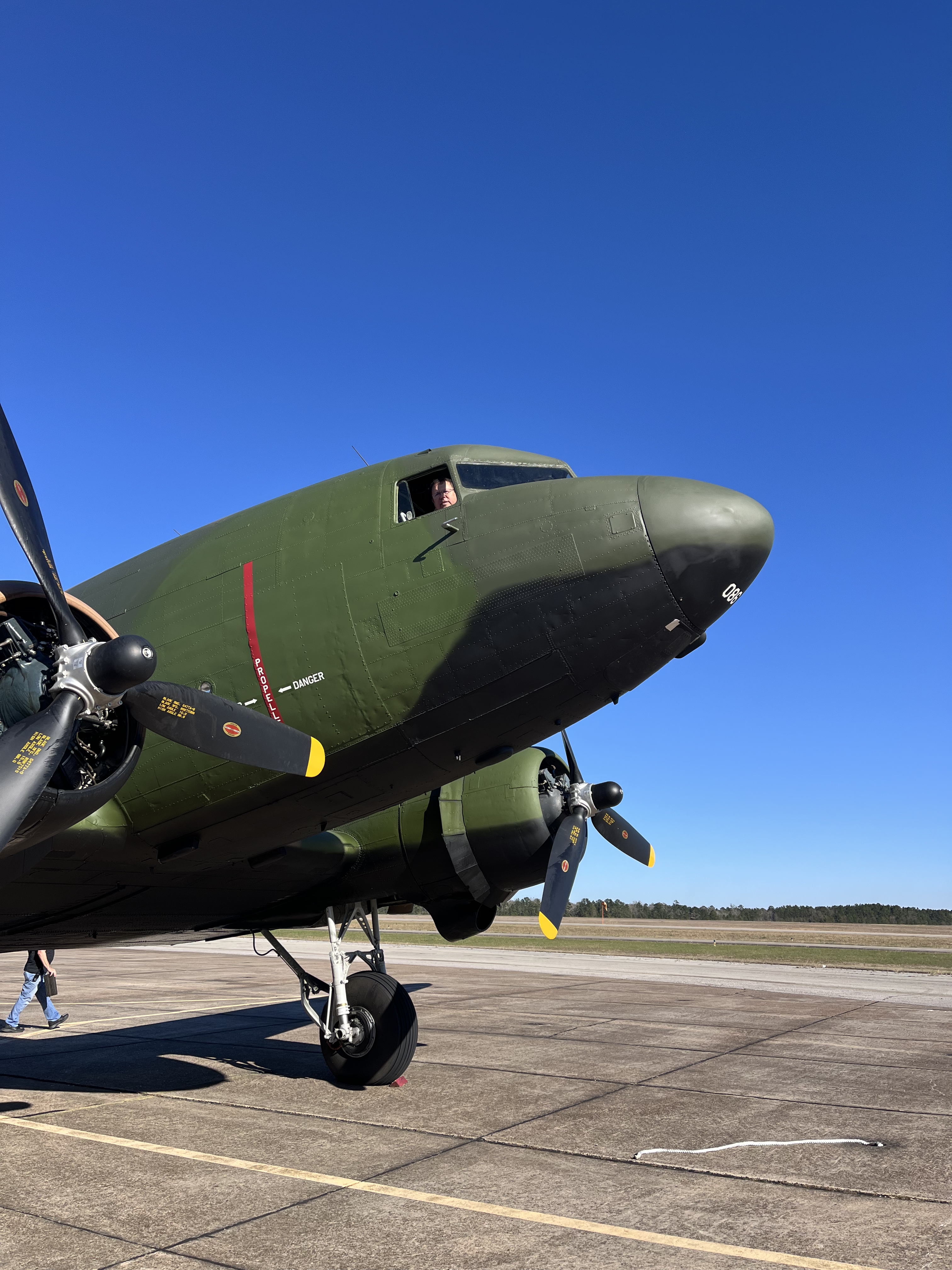
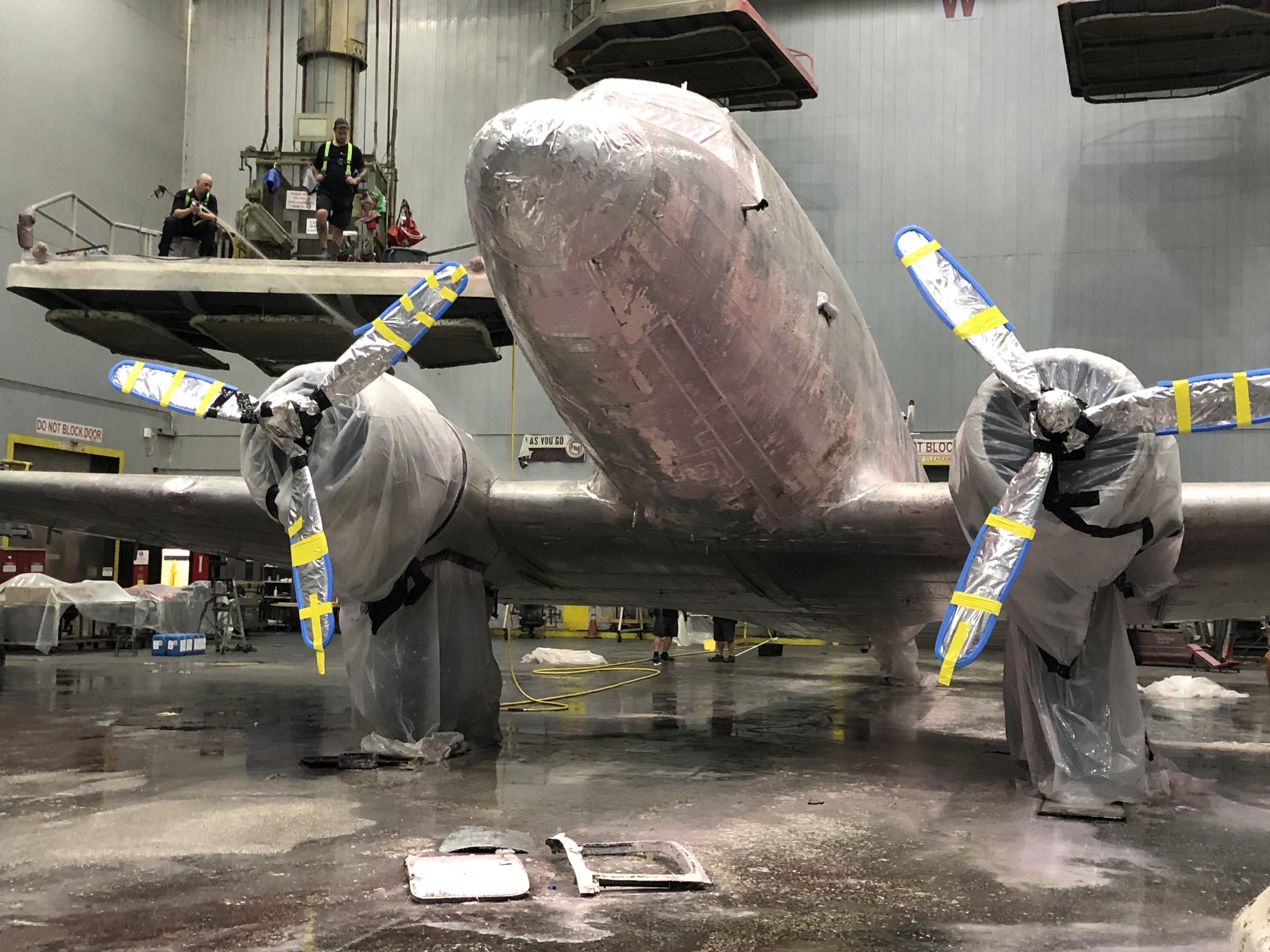
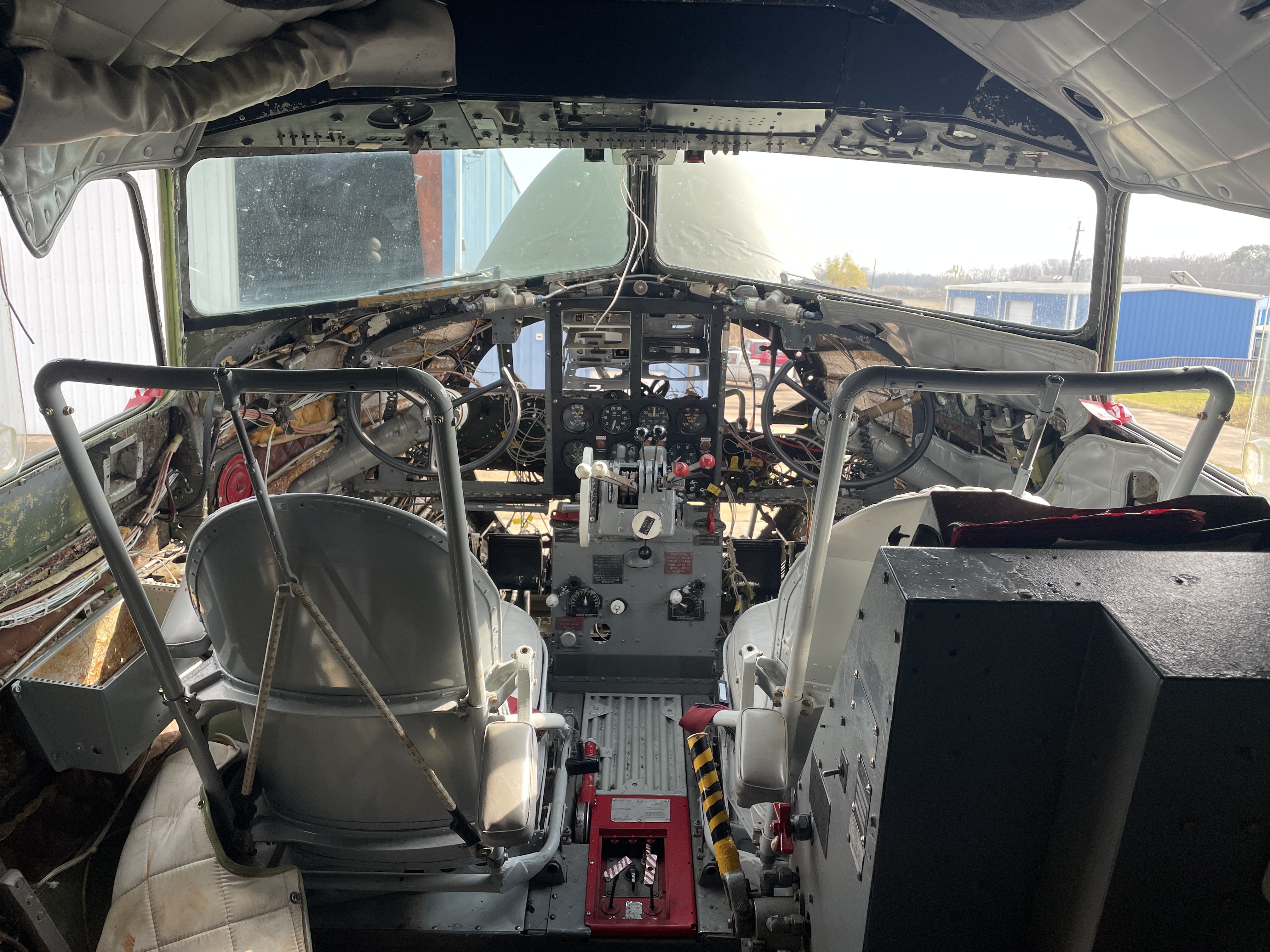
After passing through several owners and preservation efforts, it was acquired by the Commemorative Air Force in 2024. Following extensive maintenance and restoration, it returned to flight in 2025 in its current gunship configuration. Today, as part of the CAF Gulf Coast Wing, this aircraft continues the legacy of the AC-47, not as a weapon of war, but as a flying memorial to the innovation, adaptability, and impact of one of the most effective close air support aircraft ever fielded.
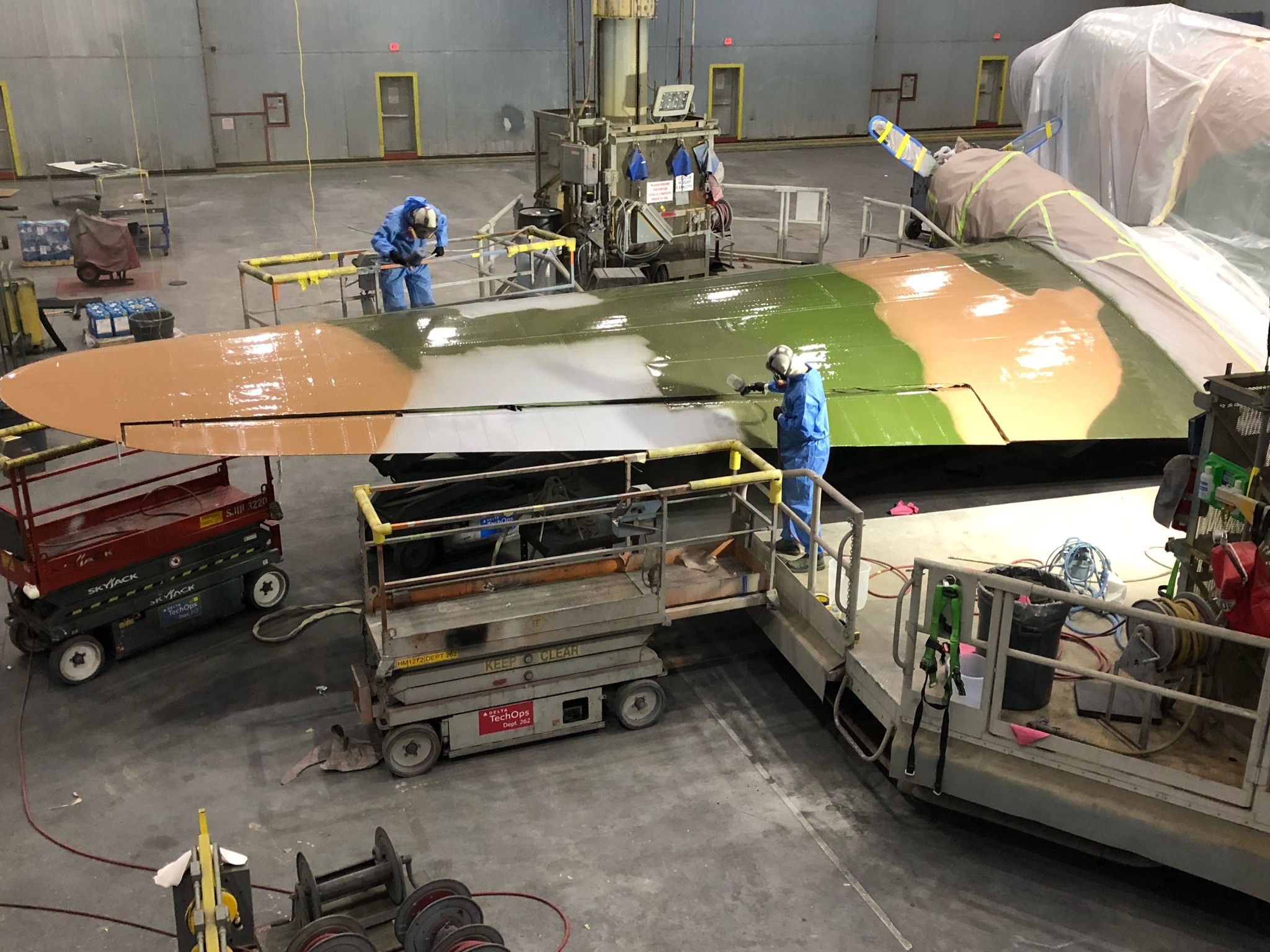
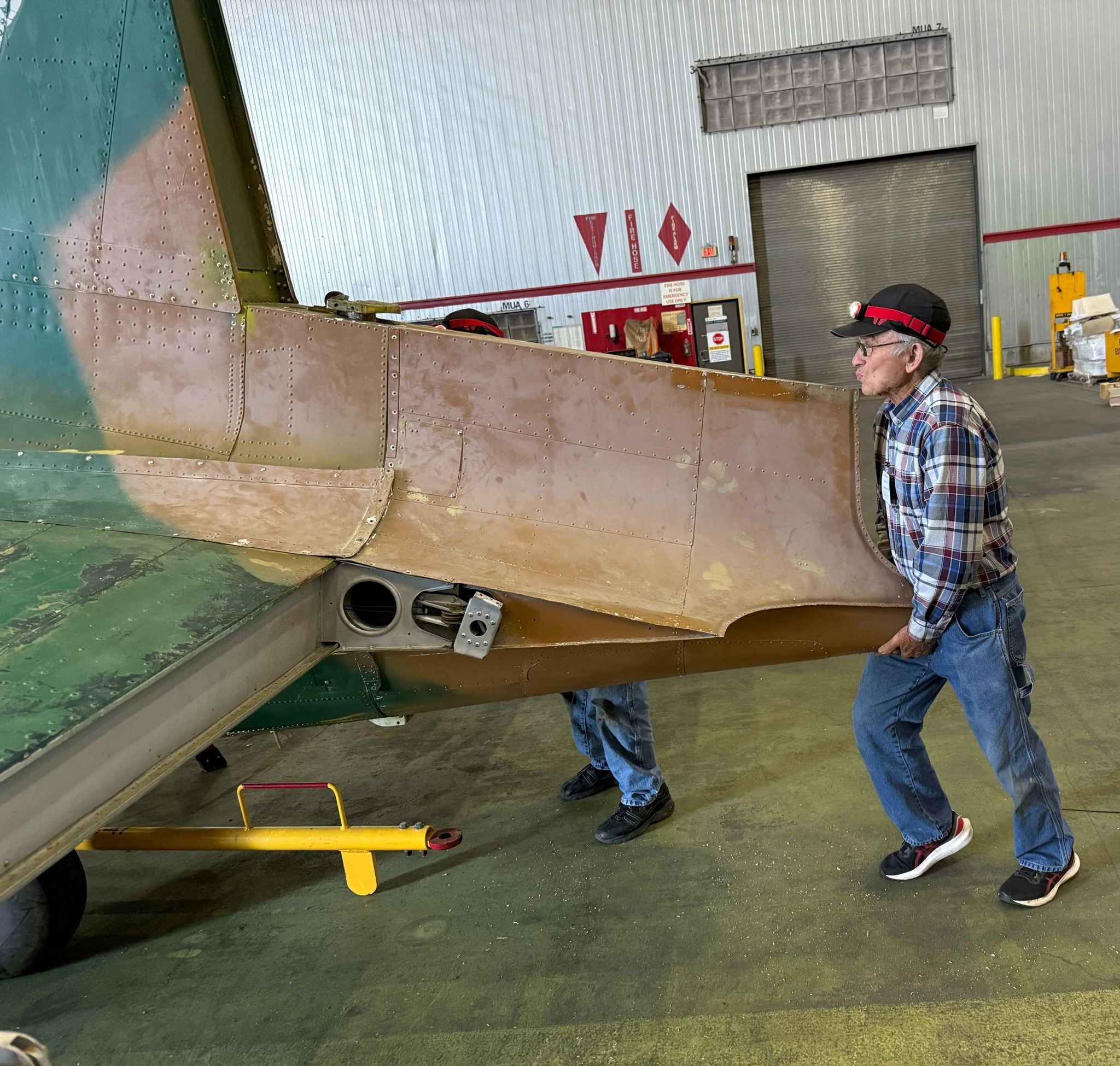
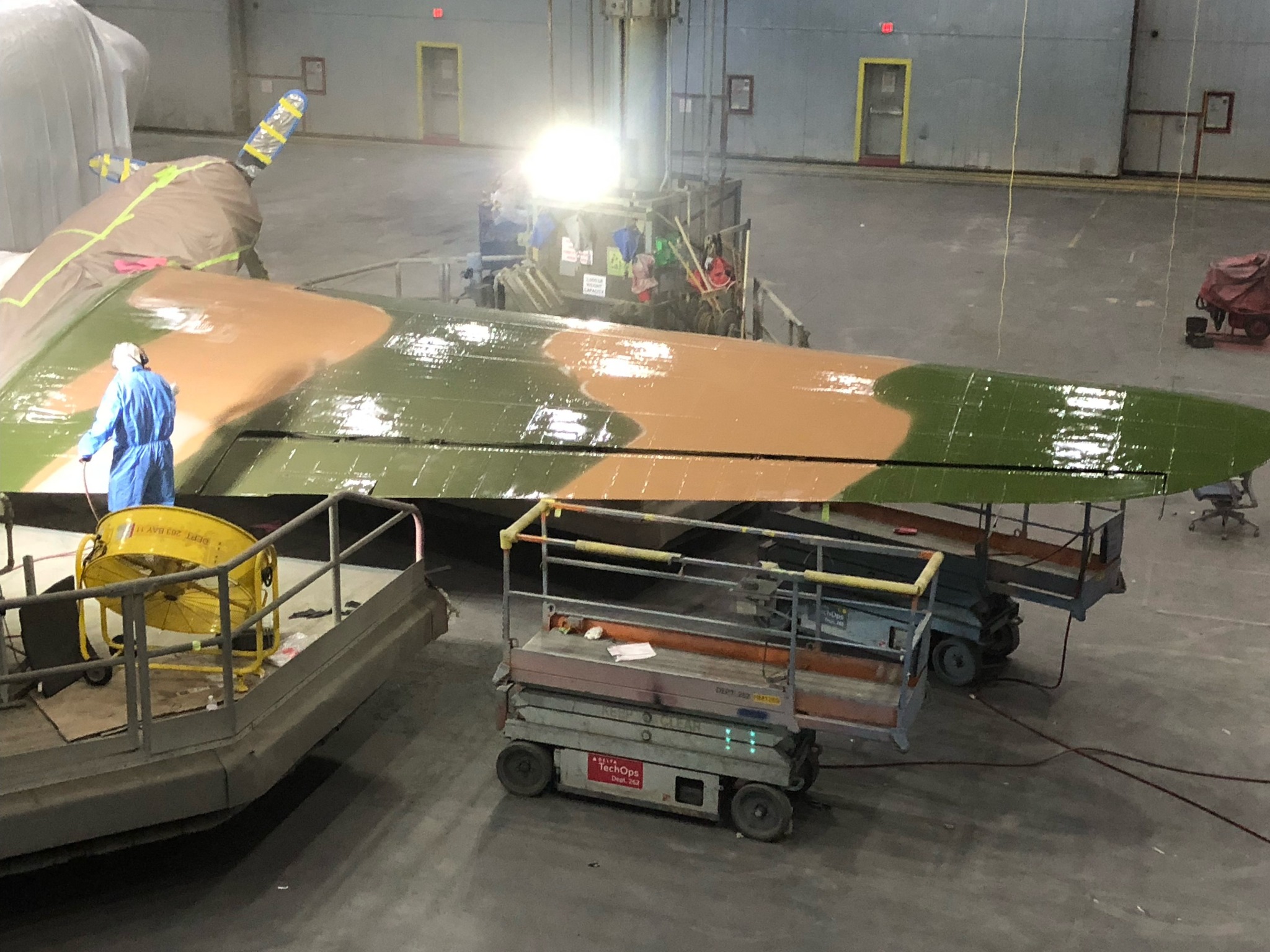
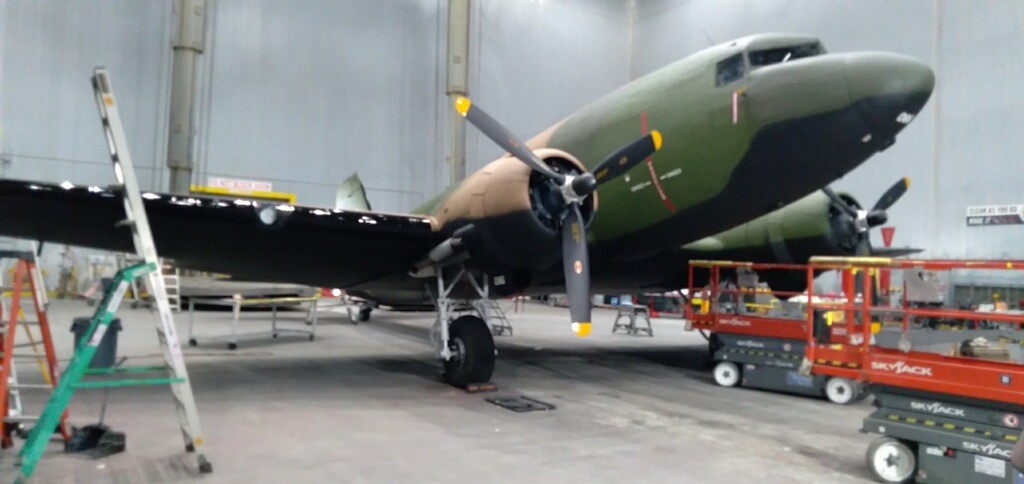
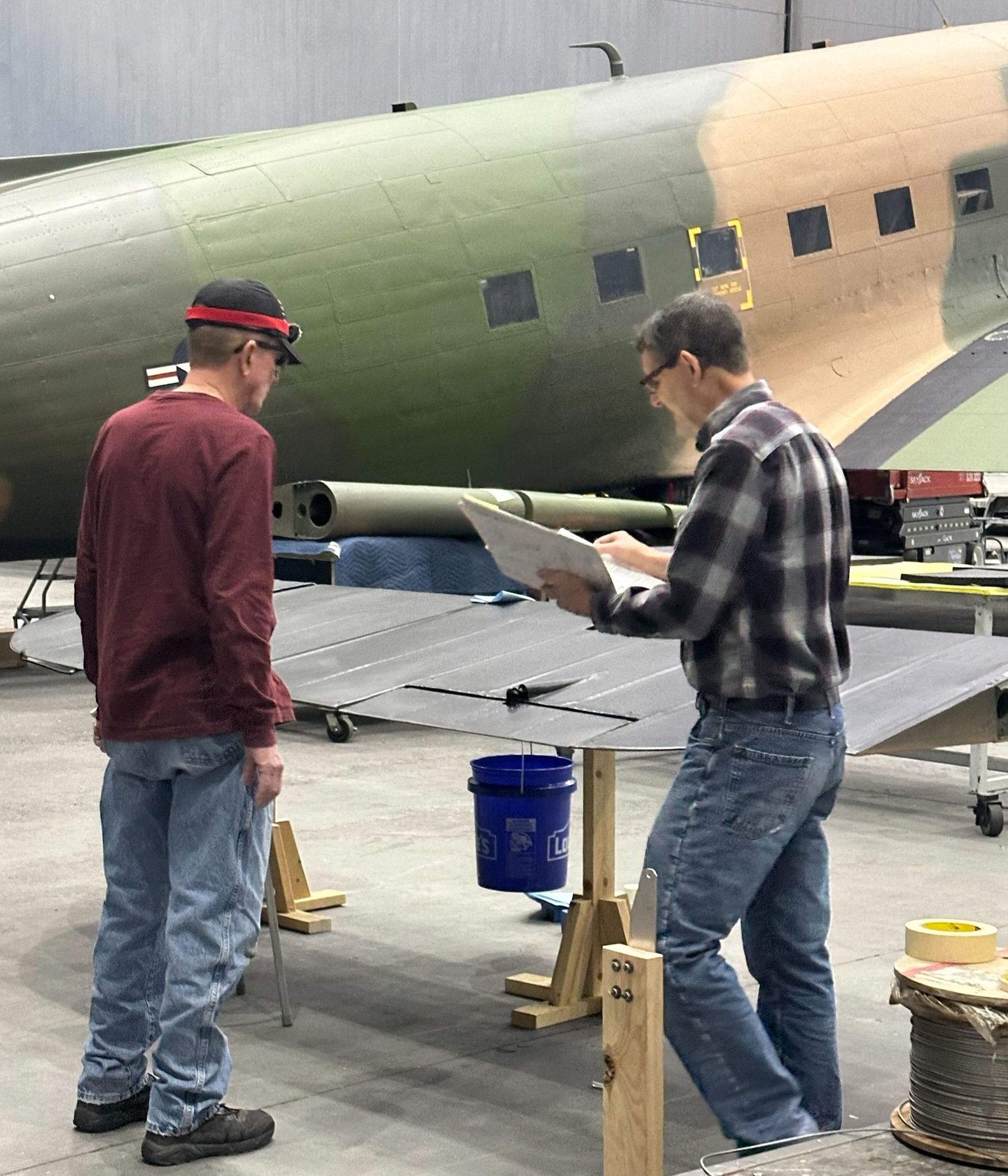
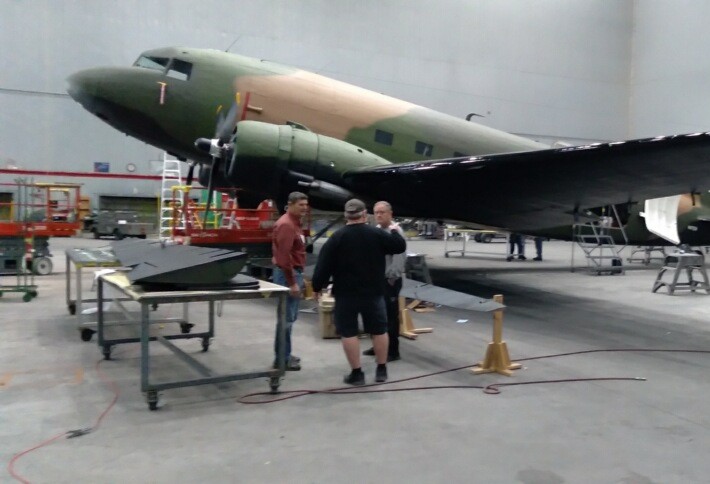
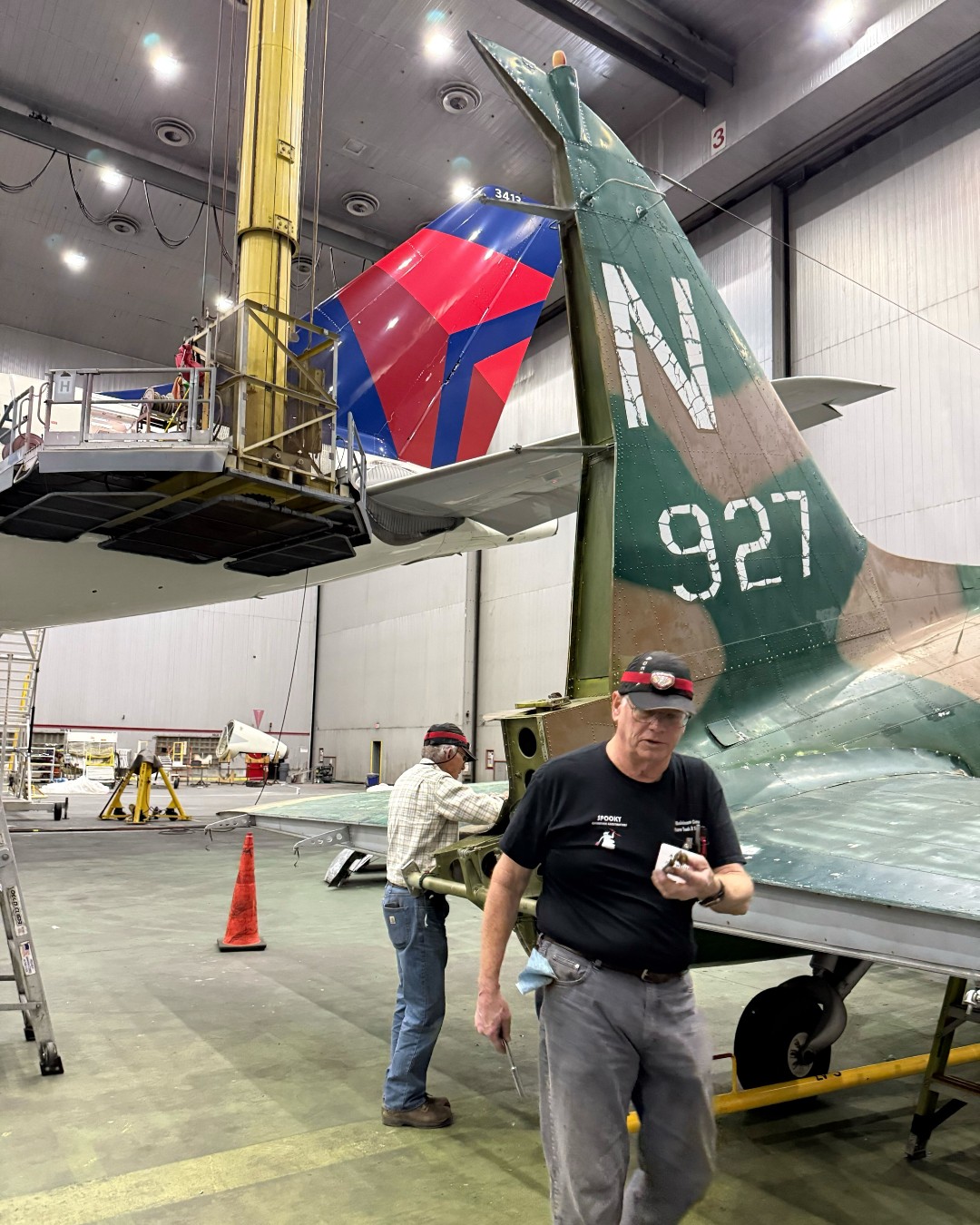
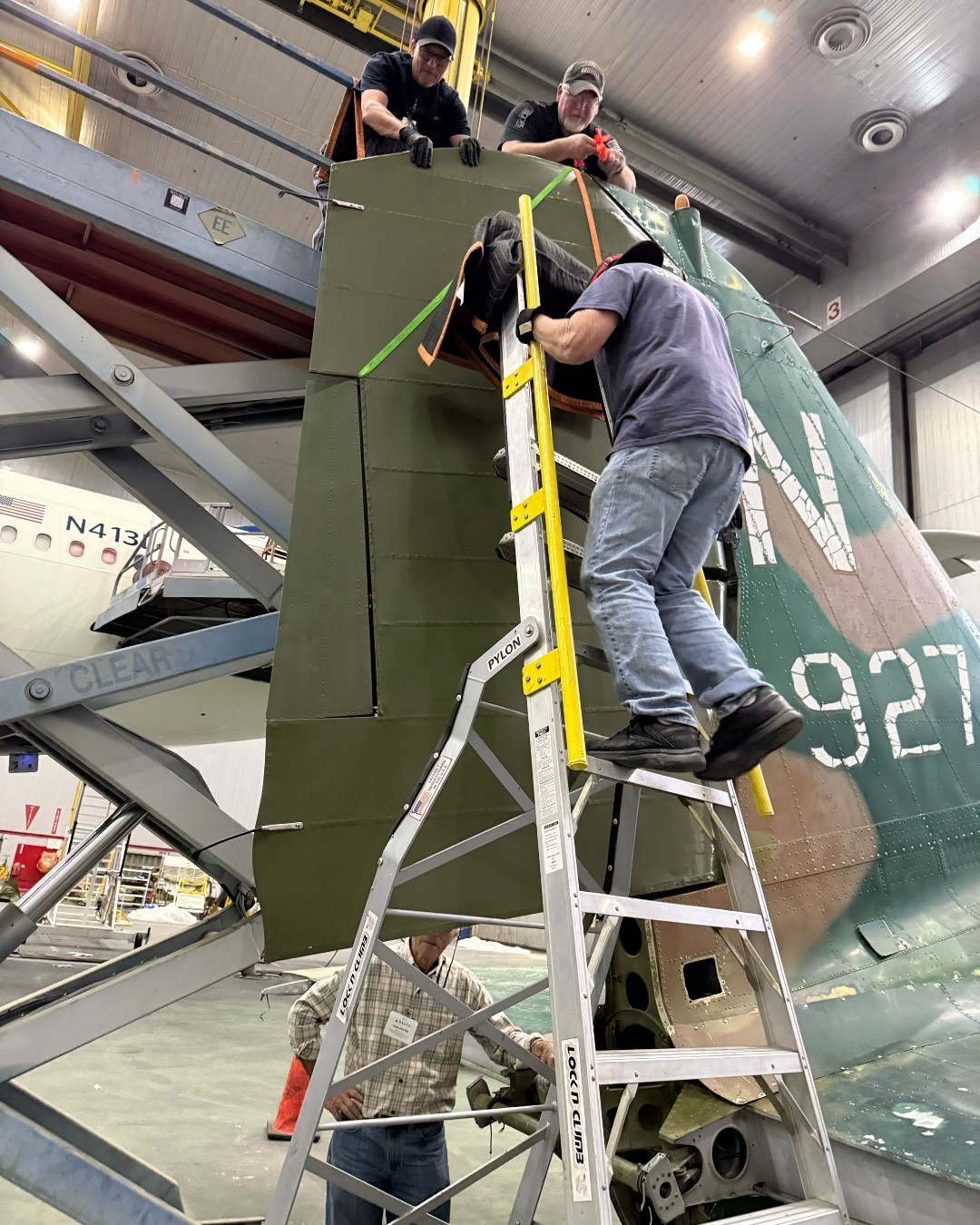
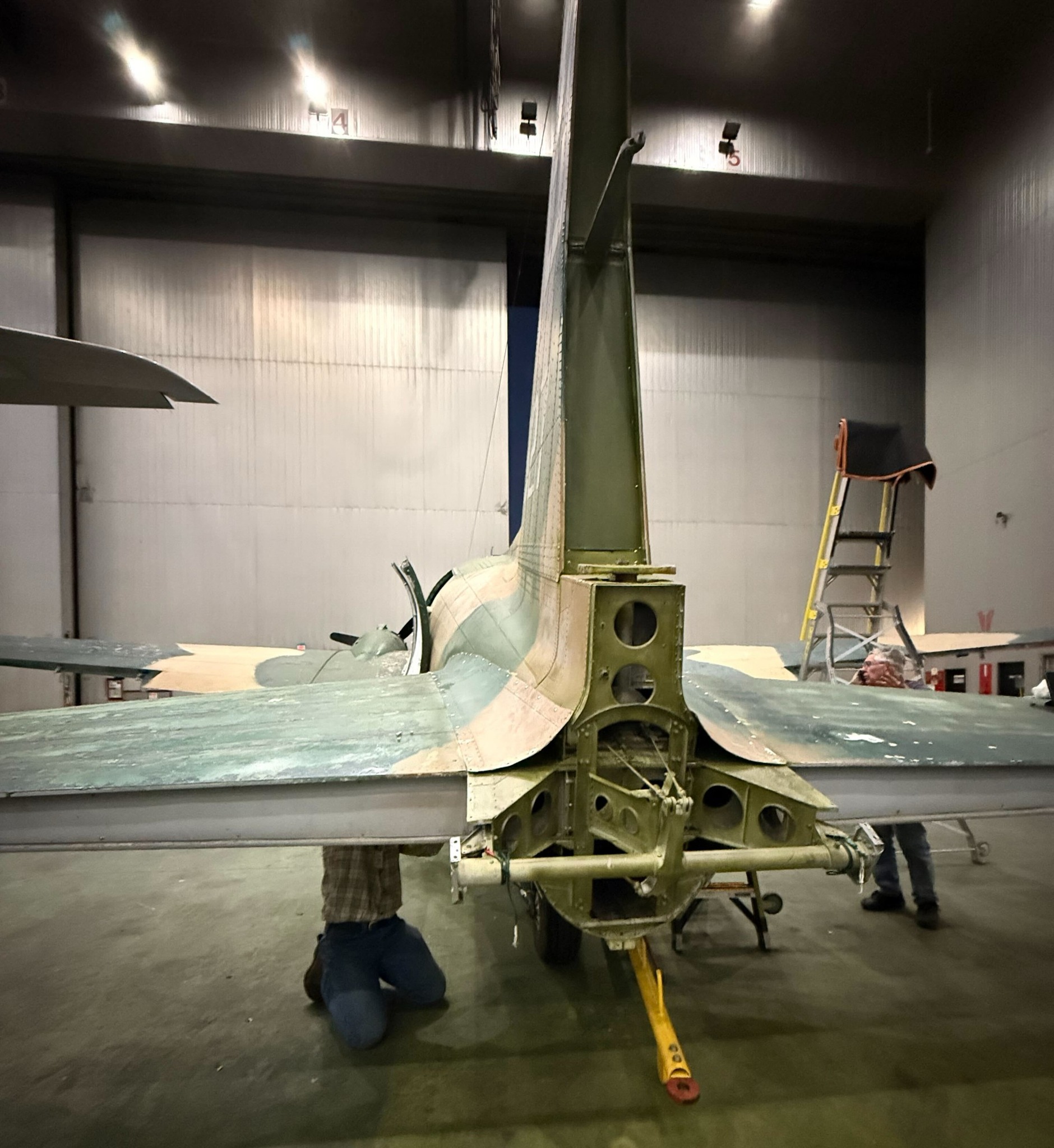
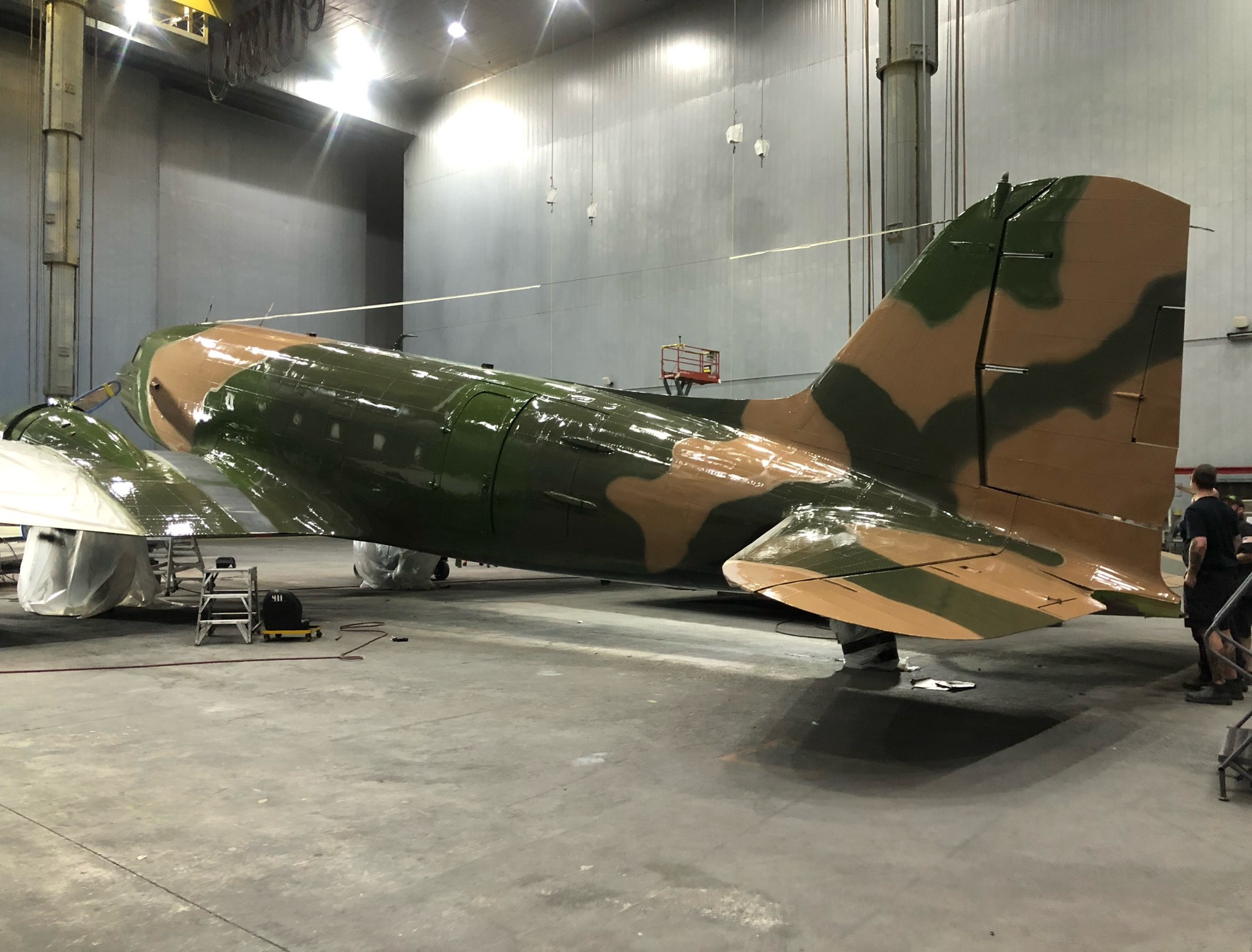
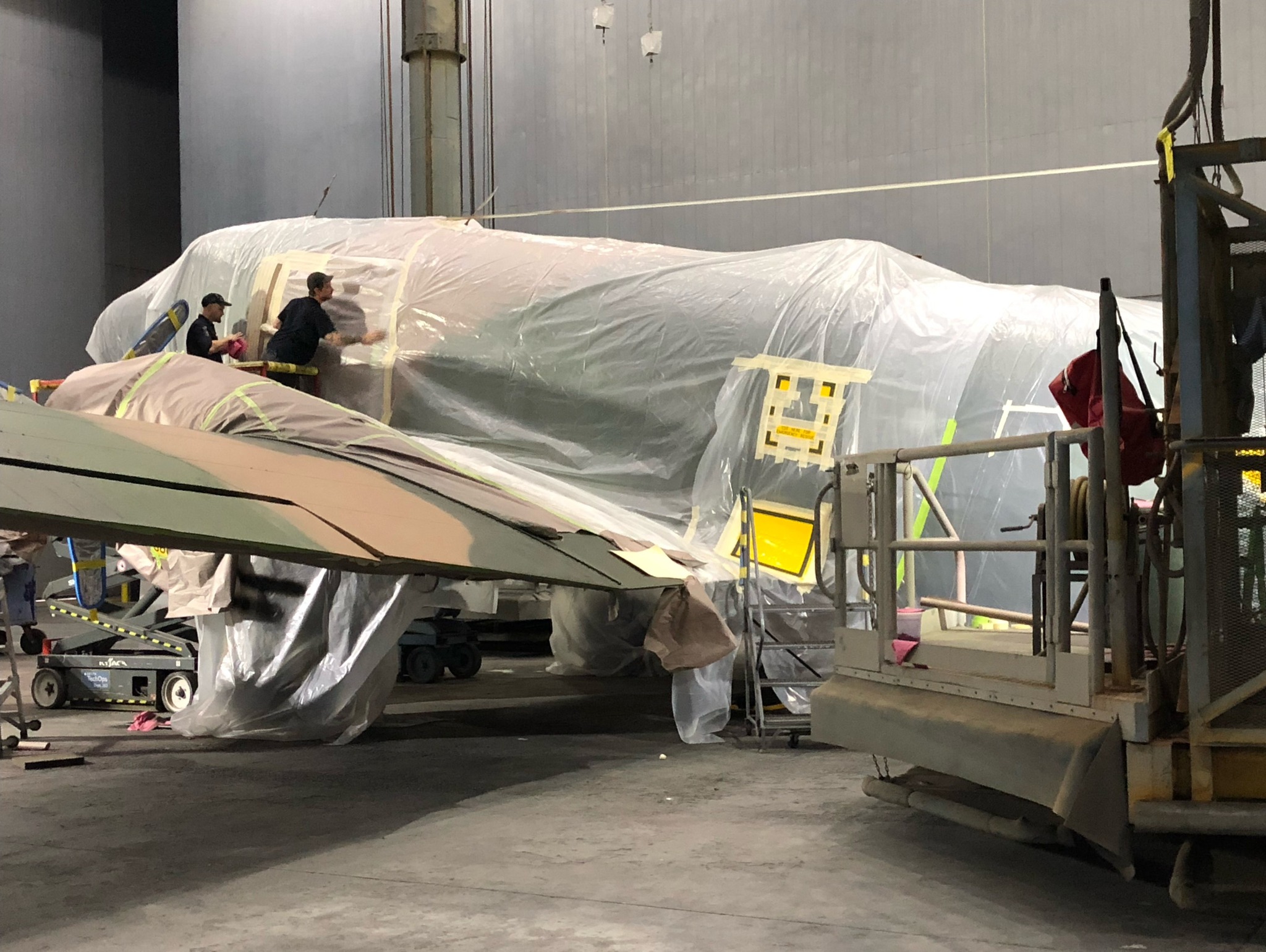
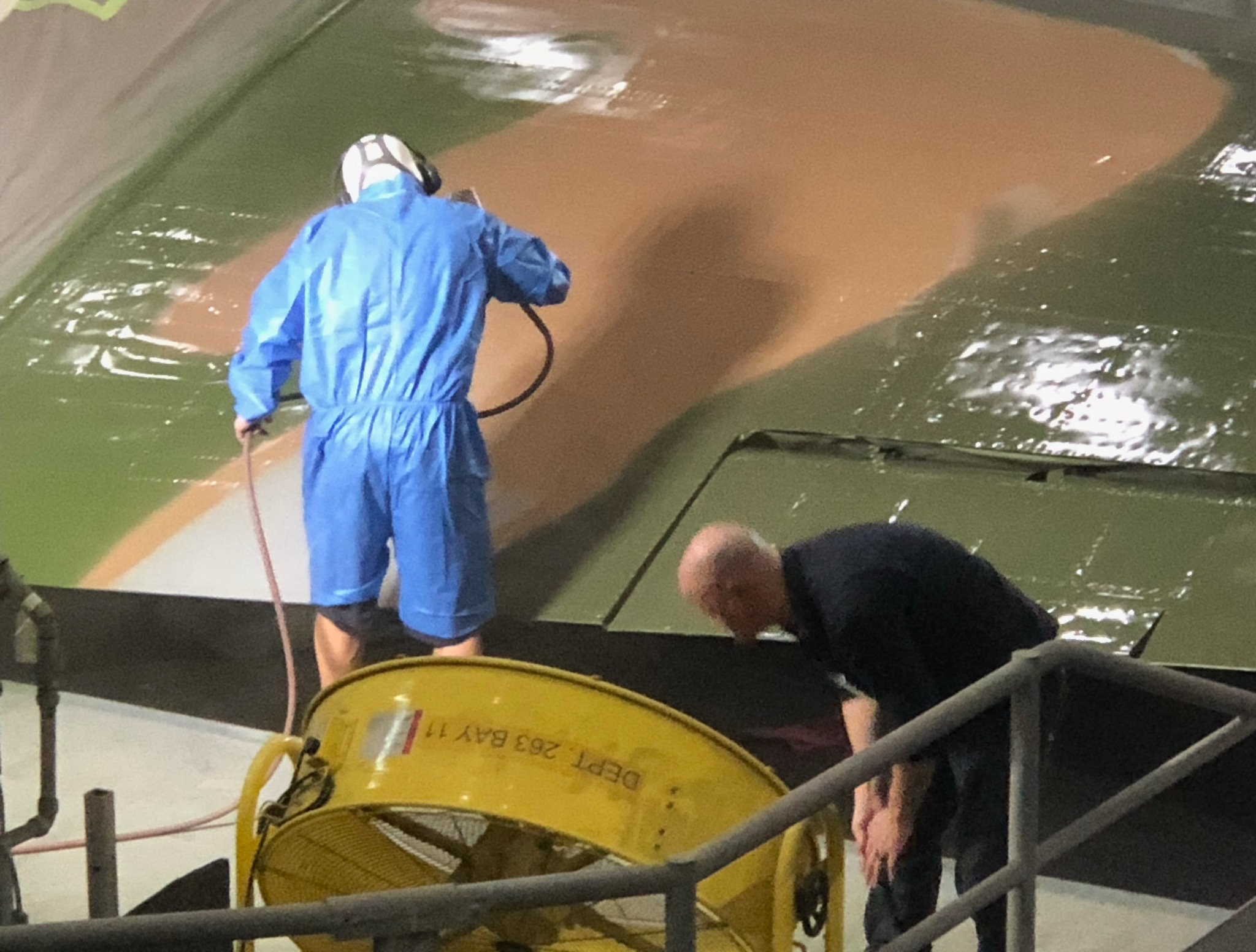
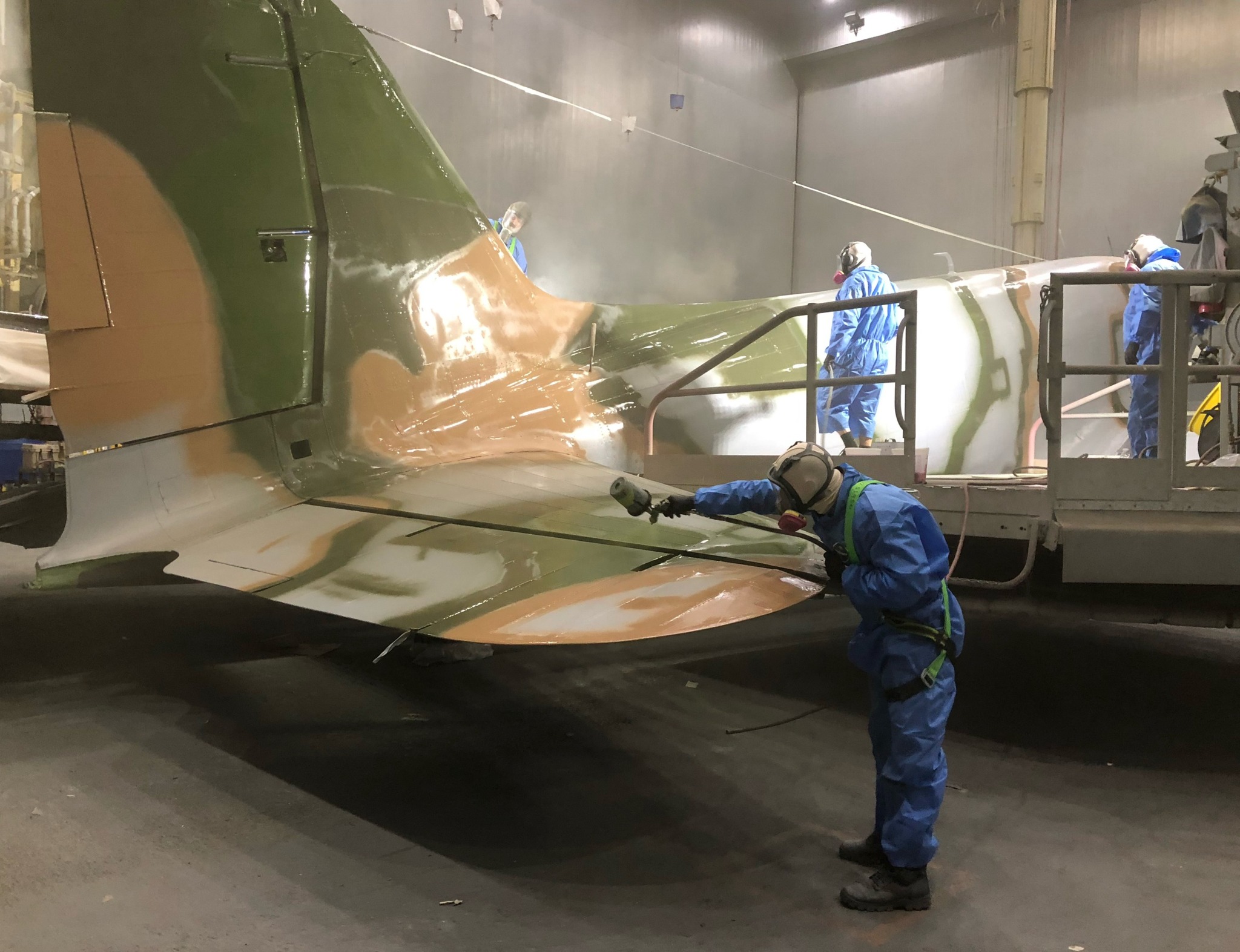
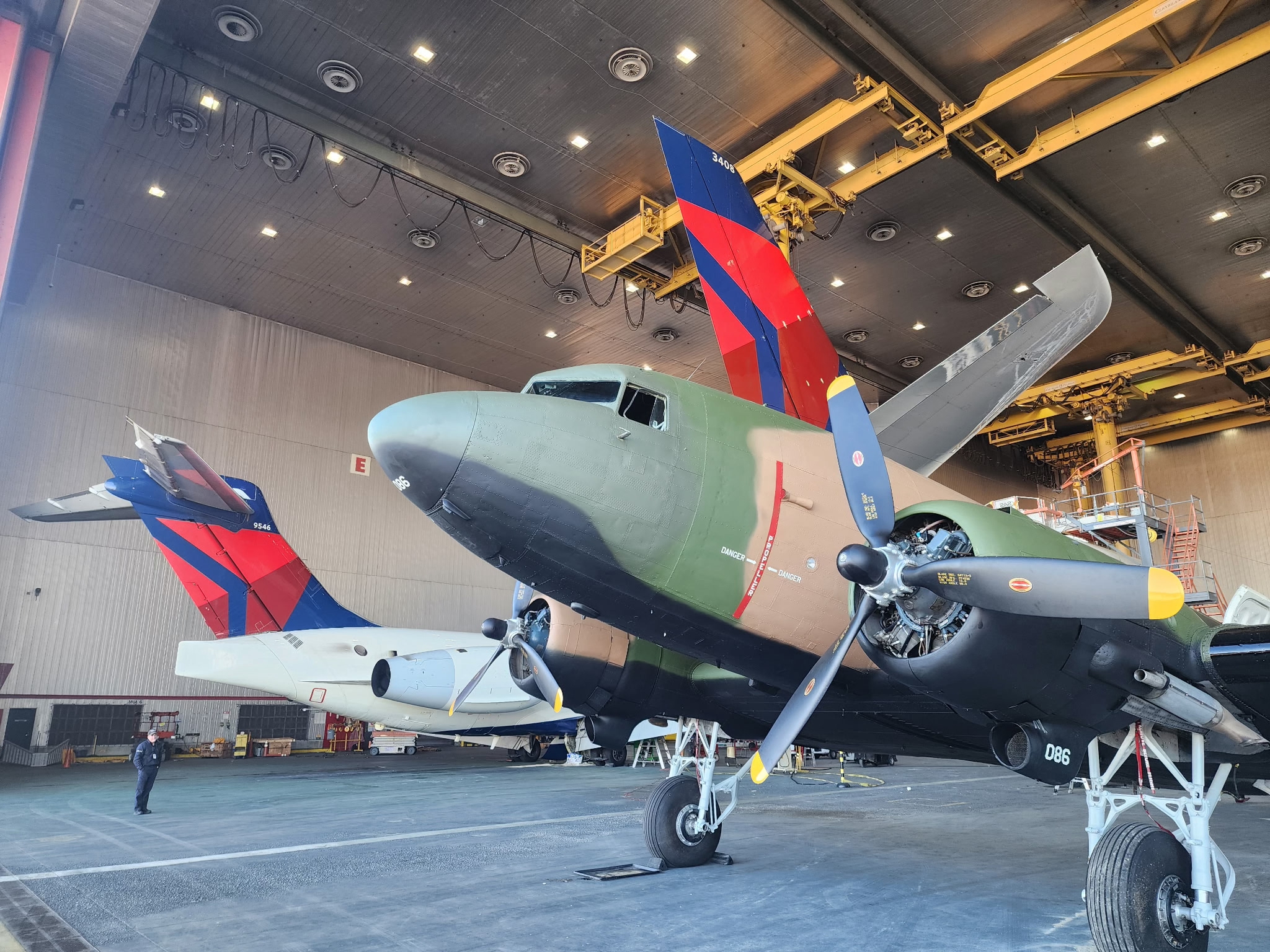
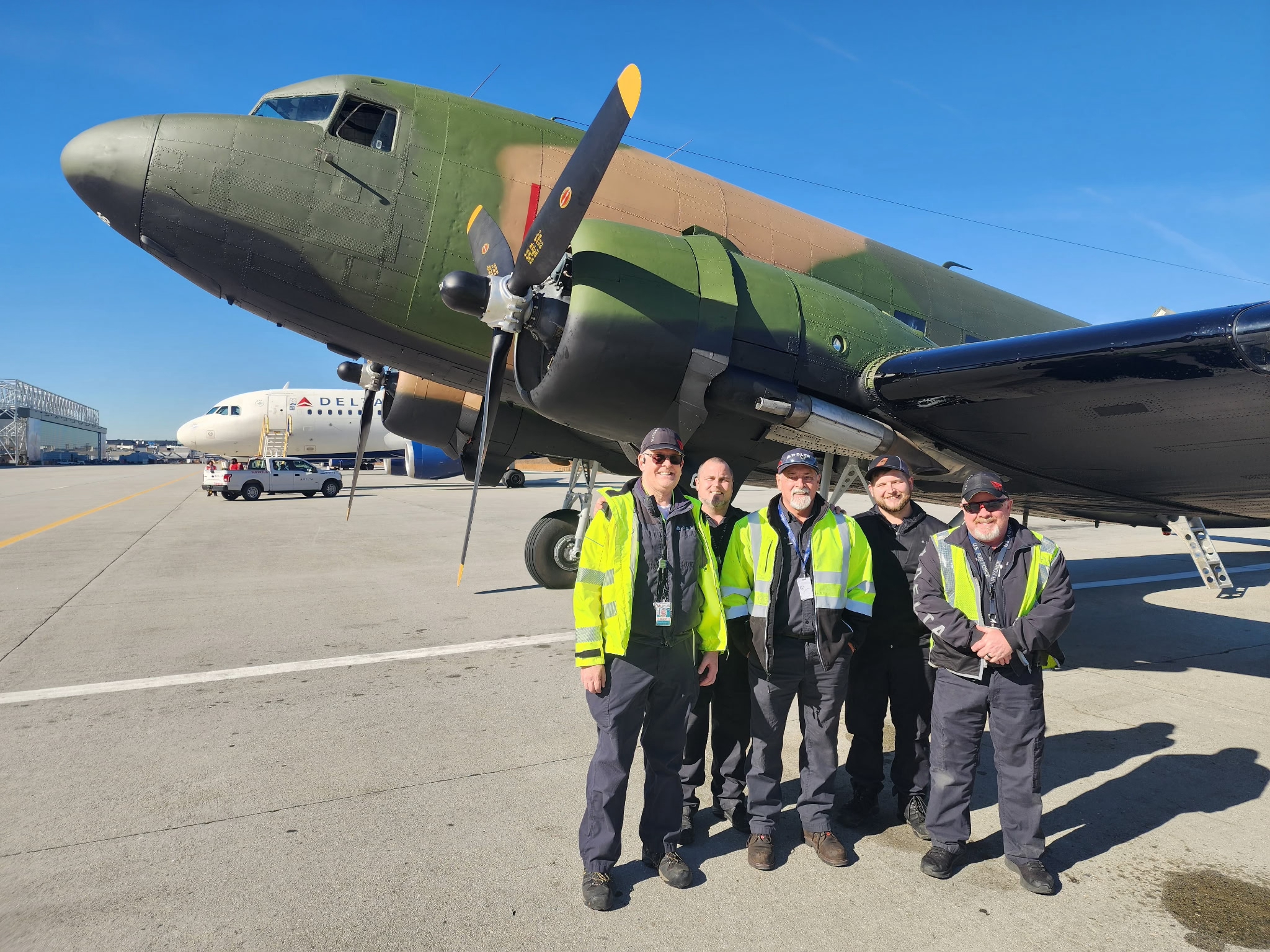
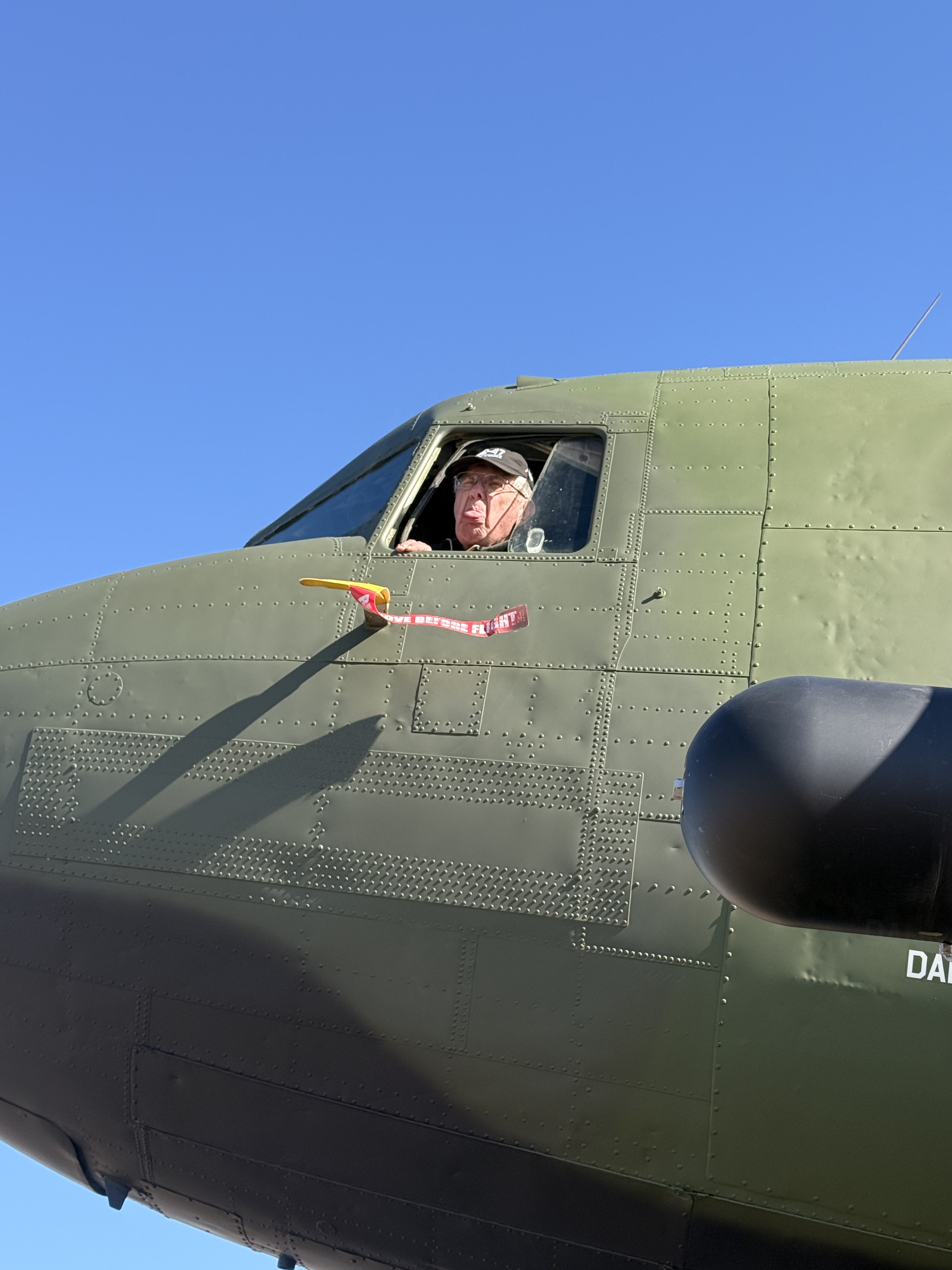
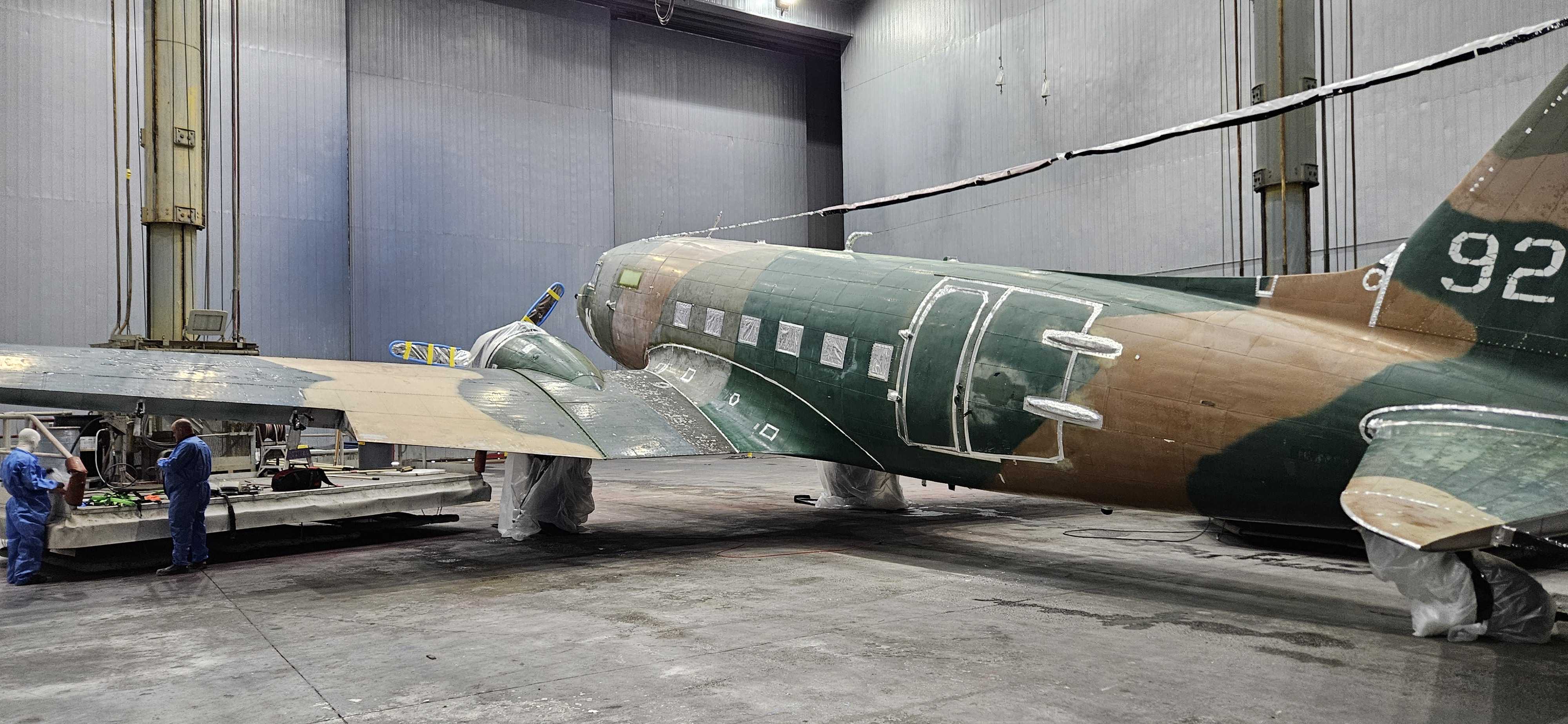
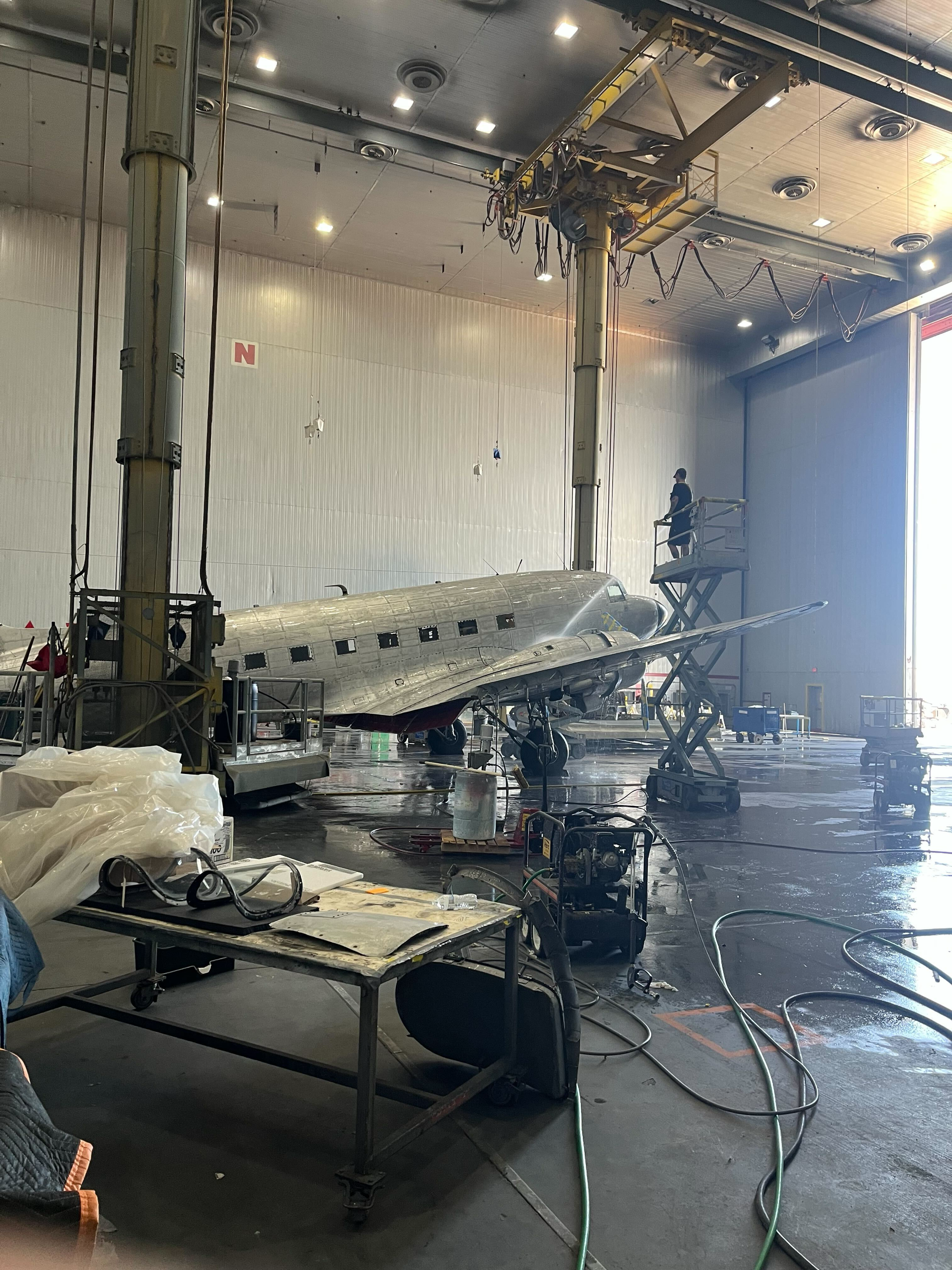
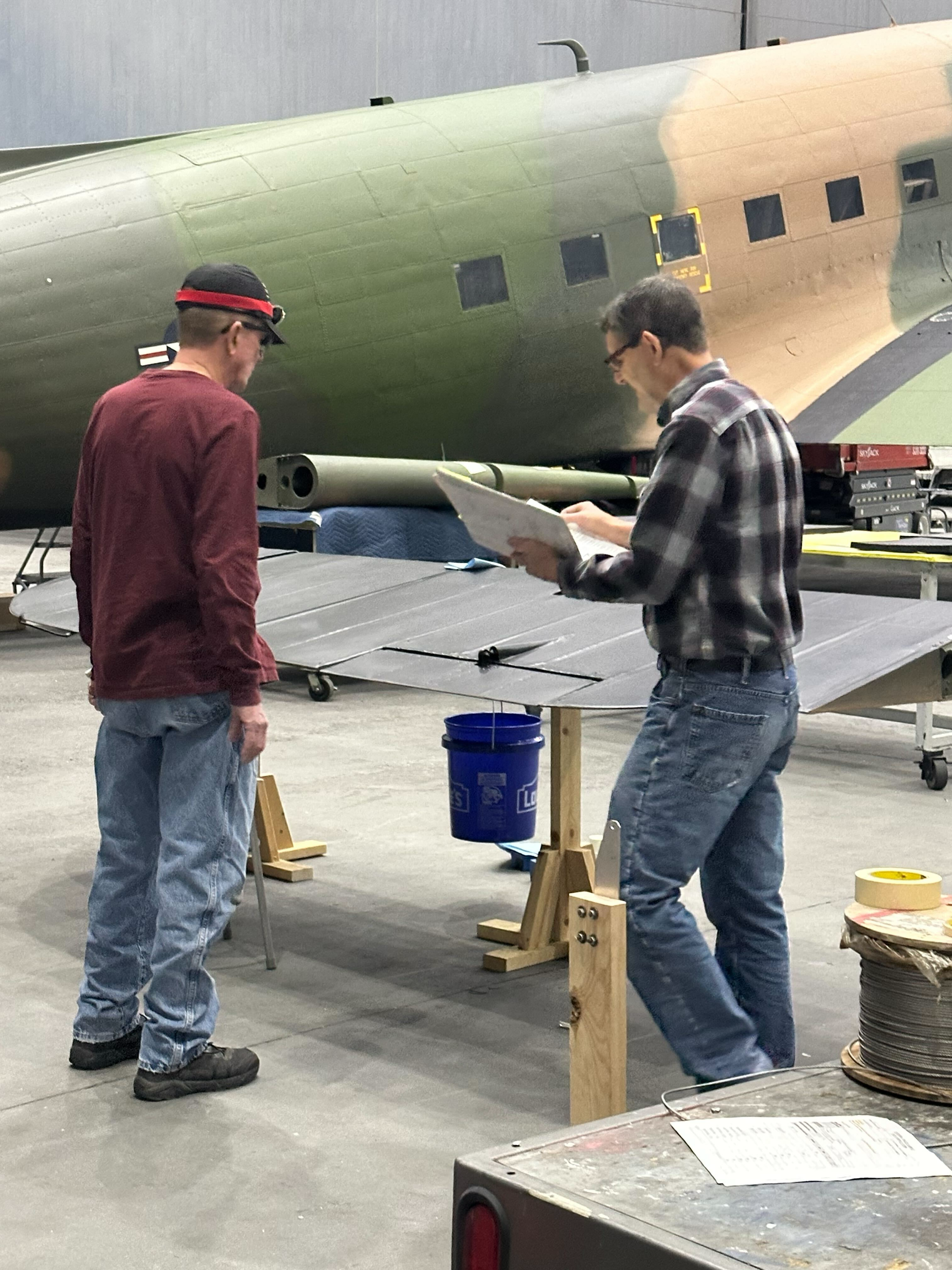
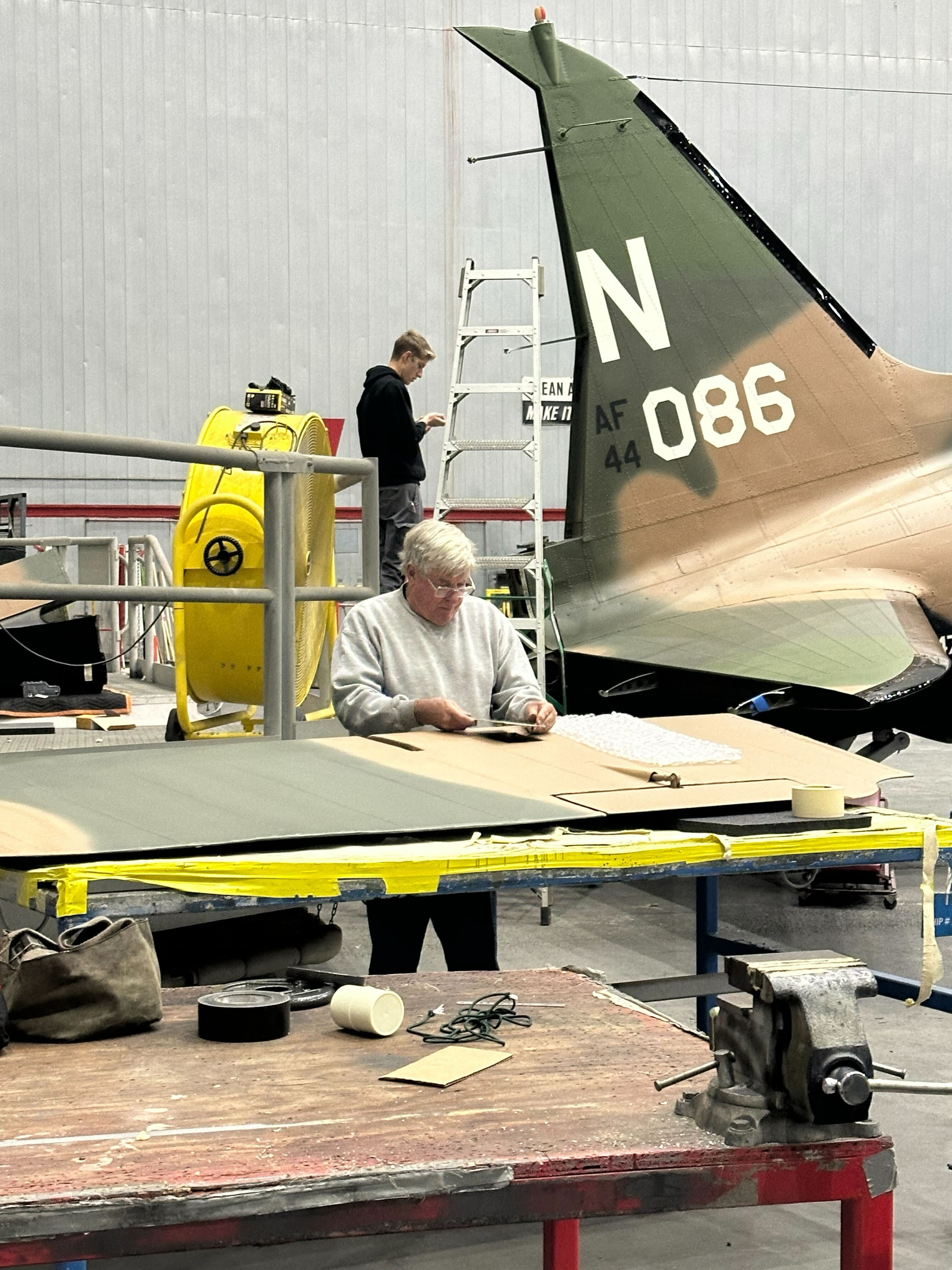
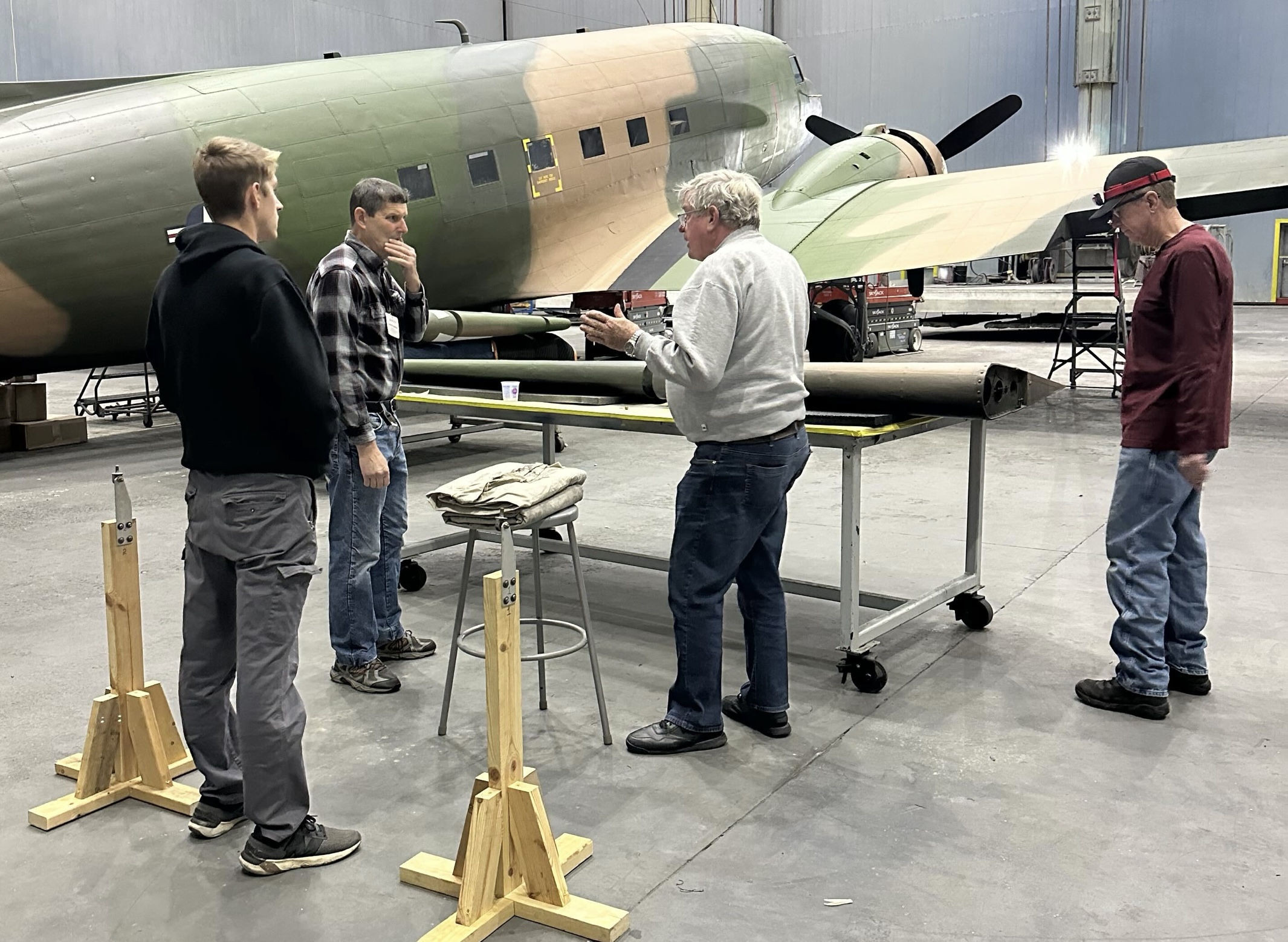
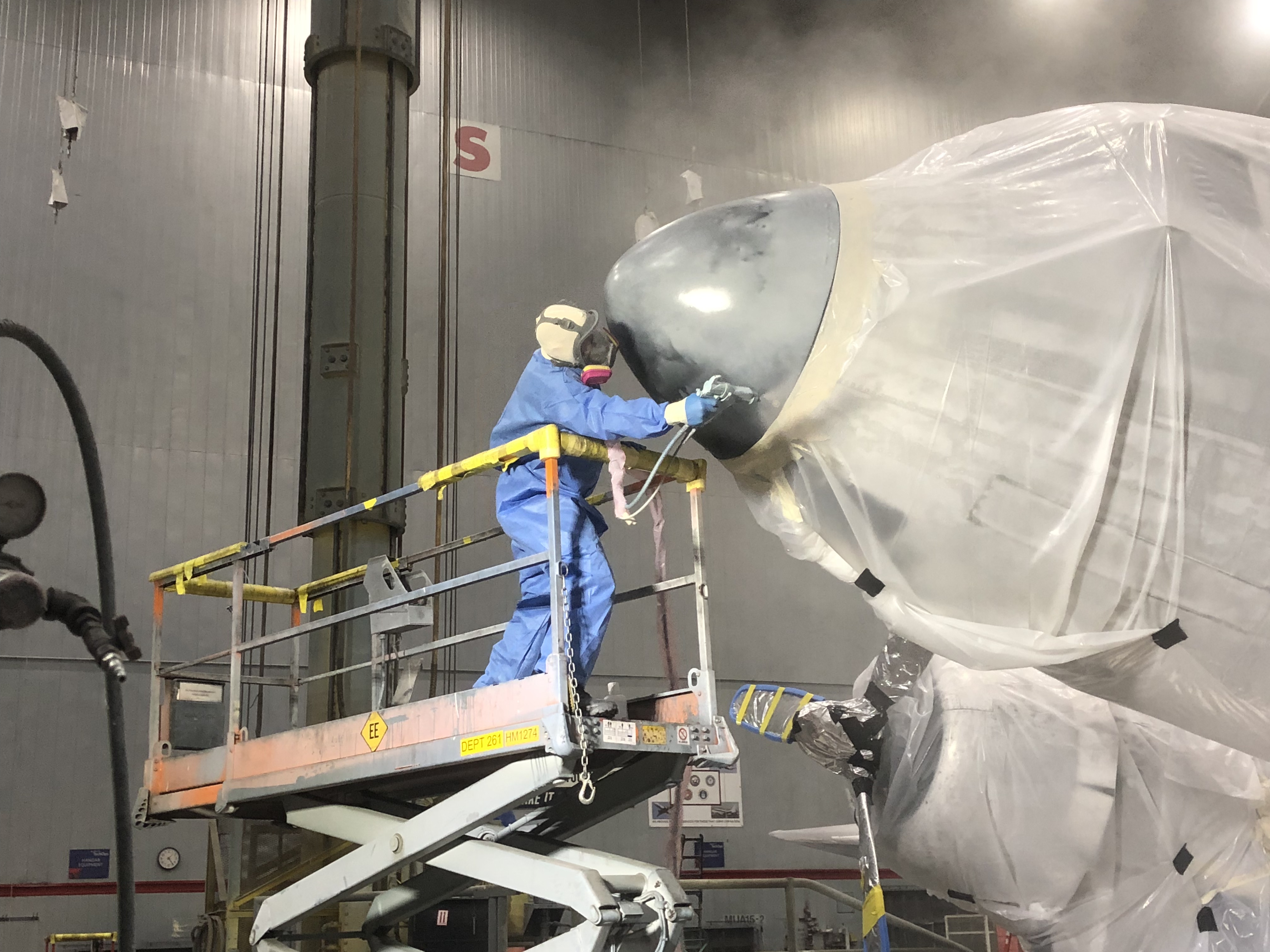
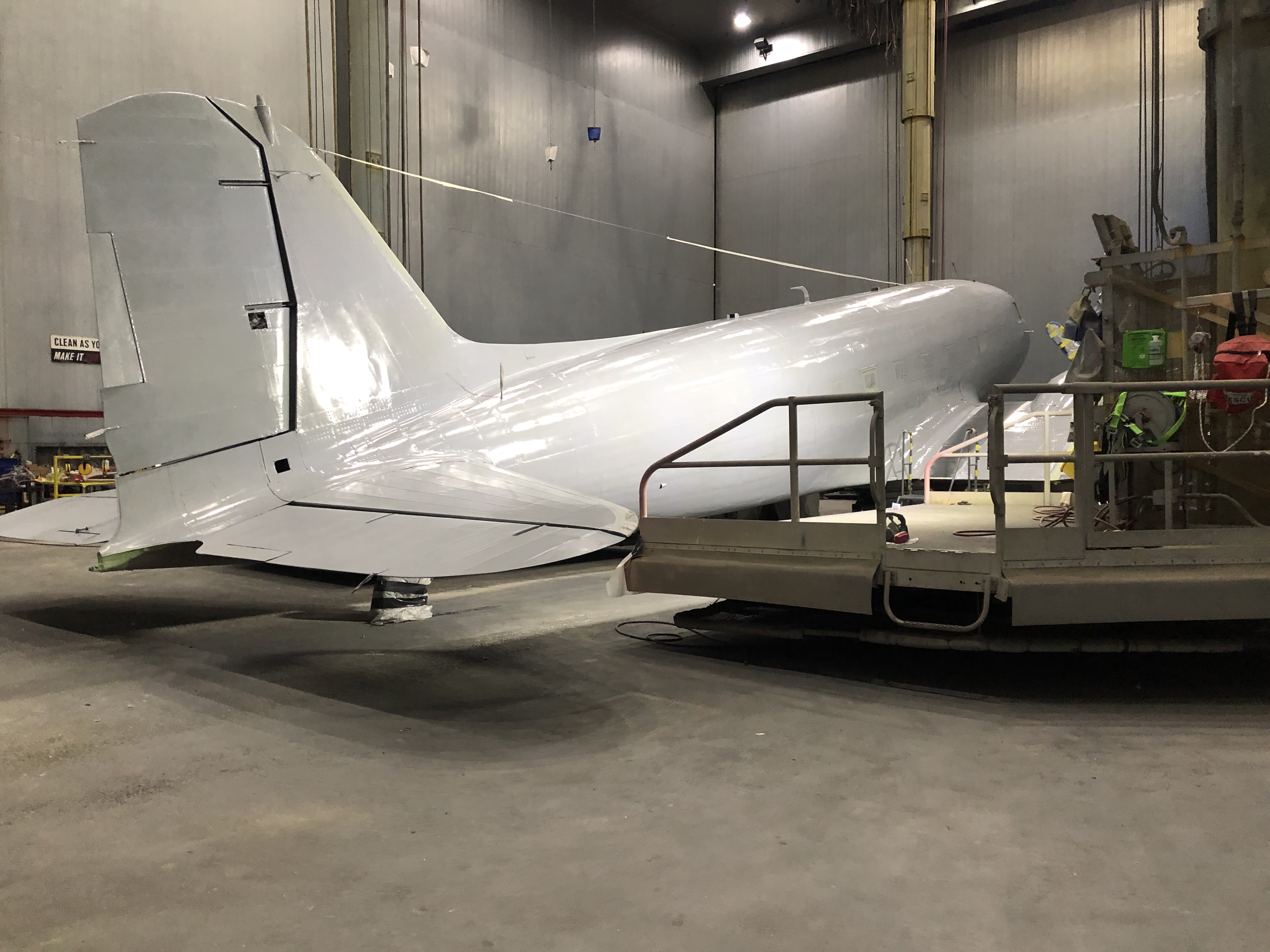
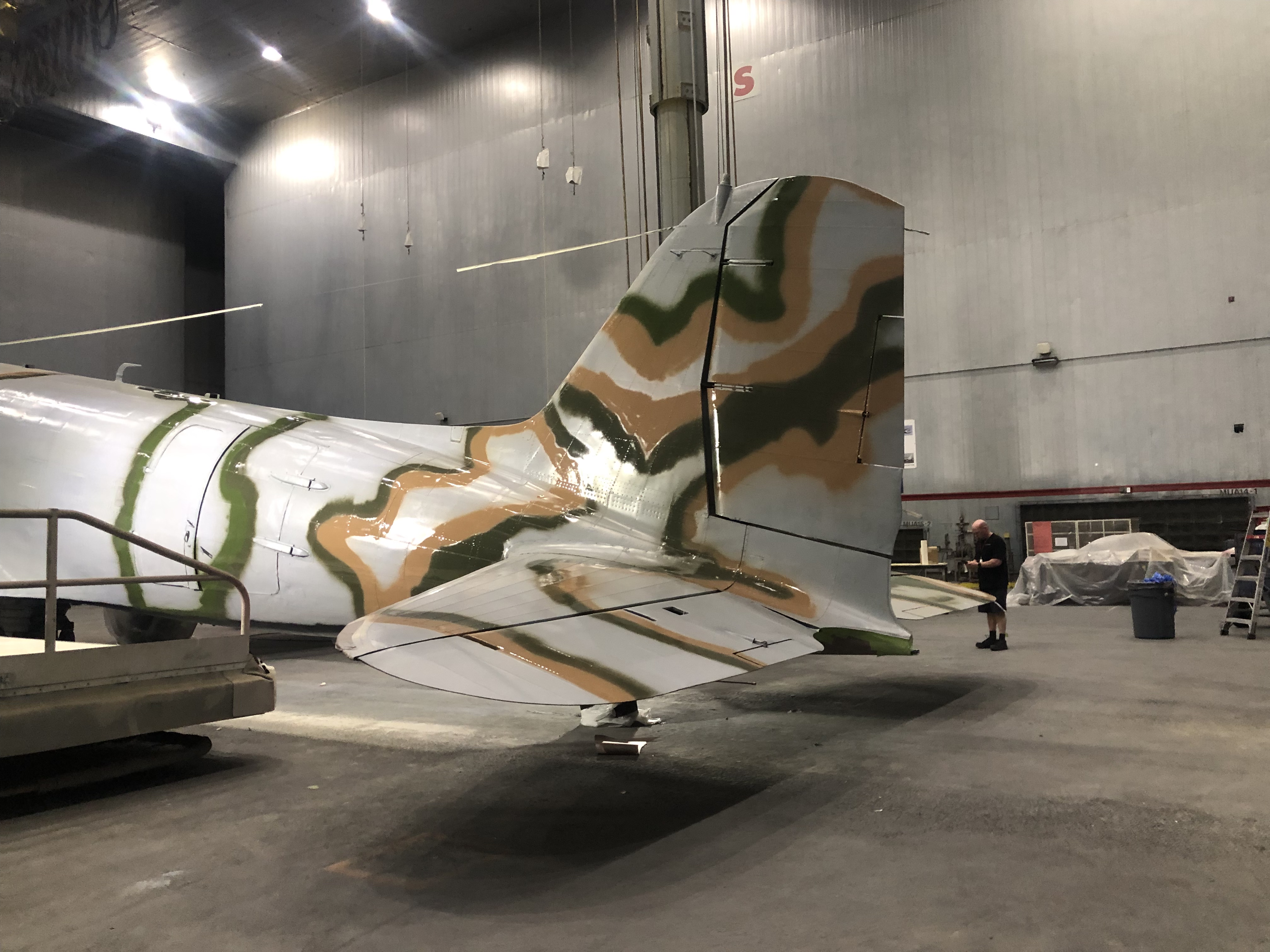
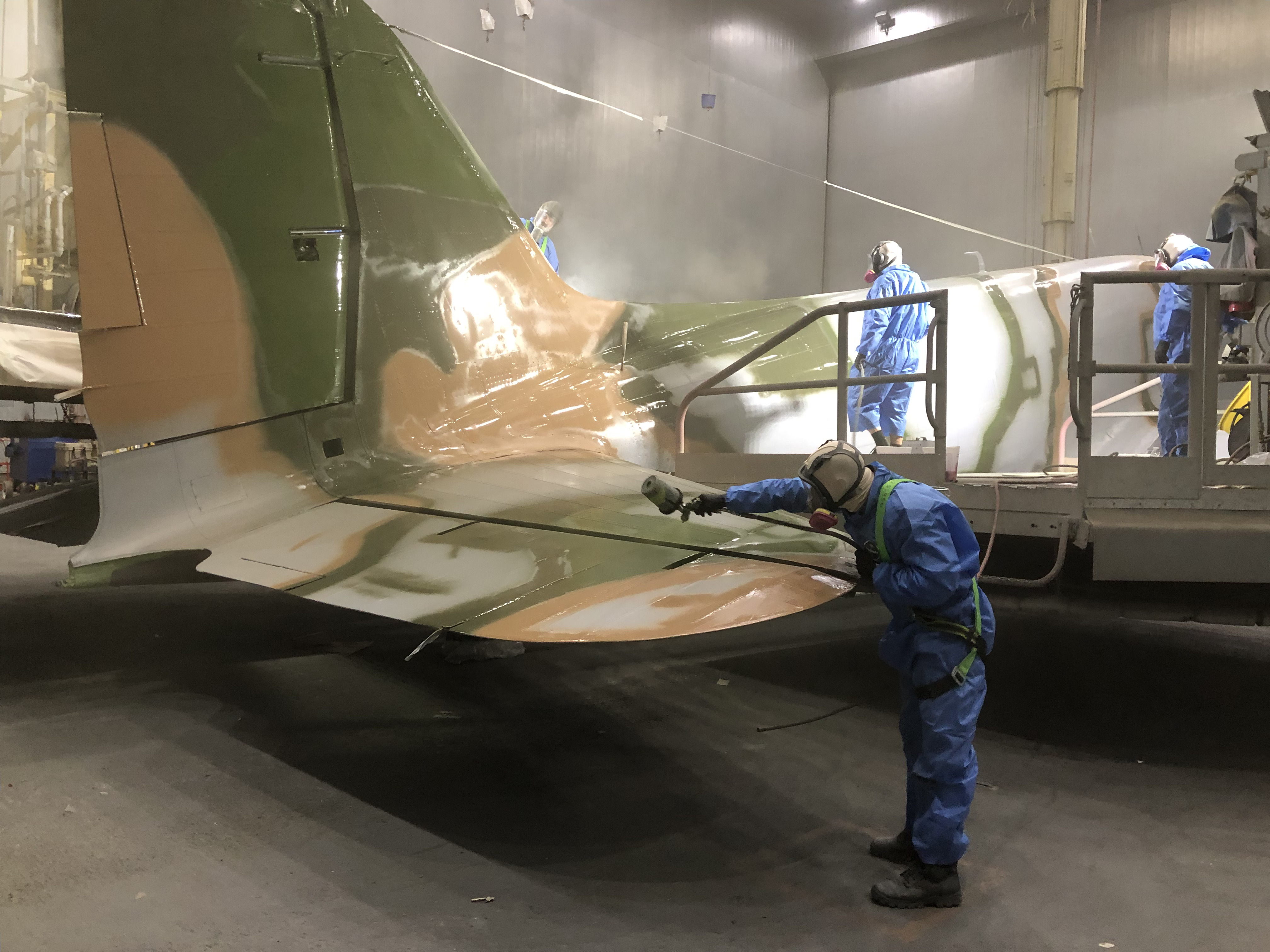
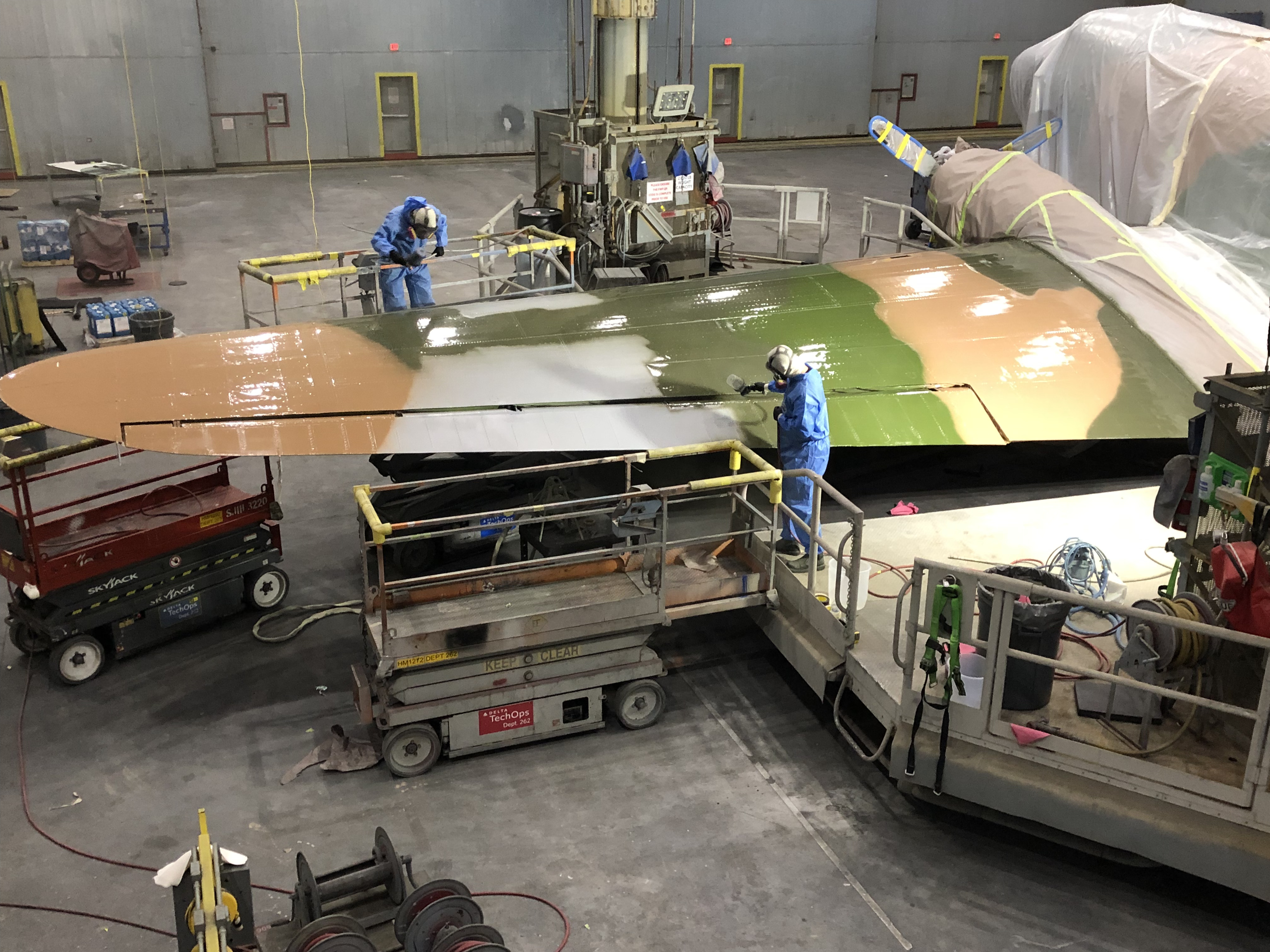
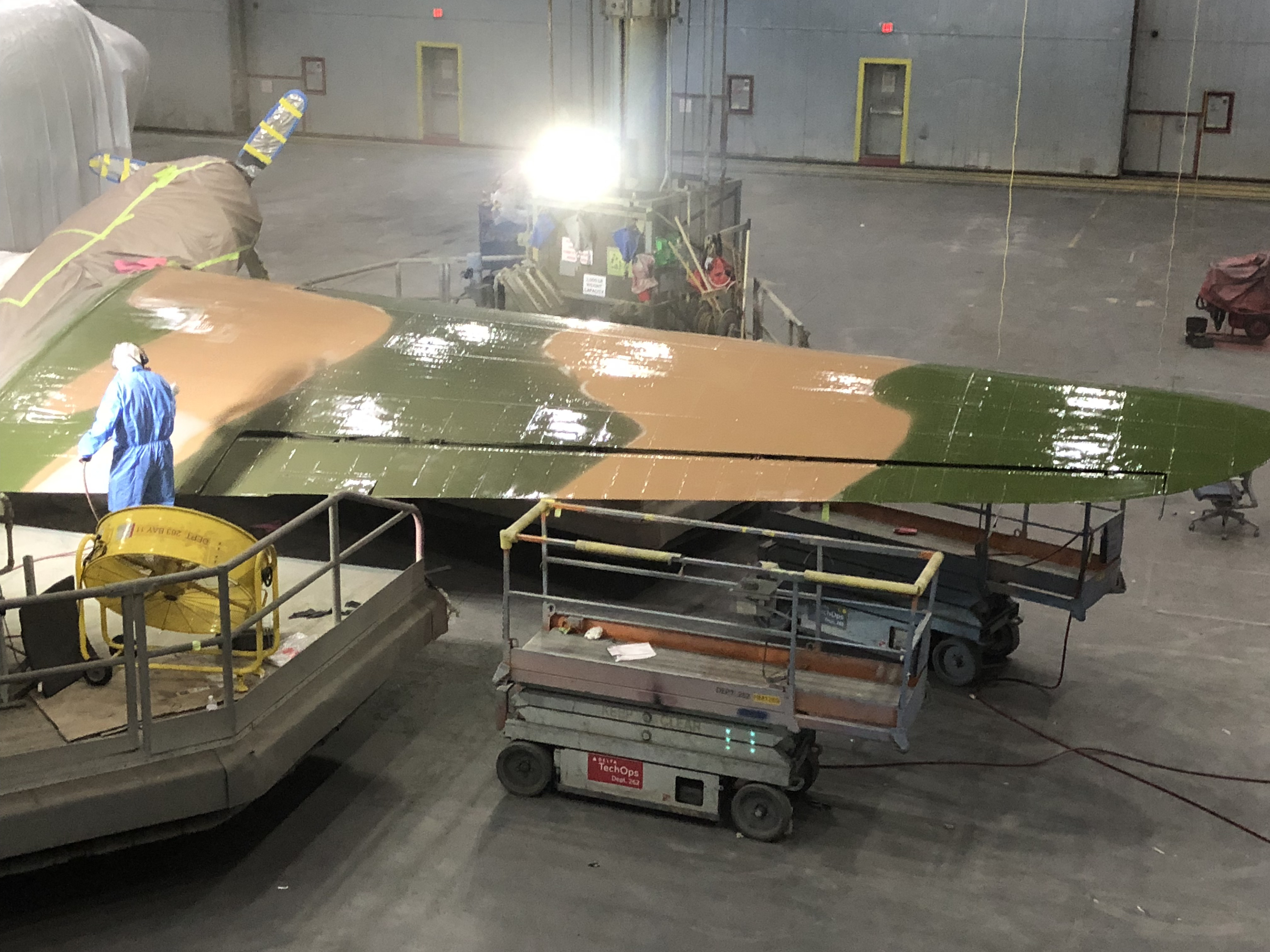
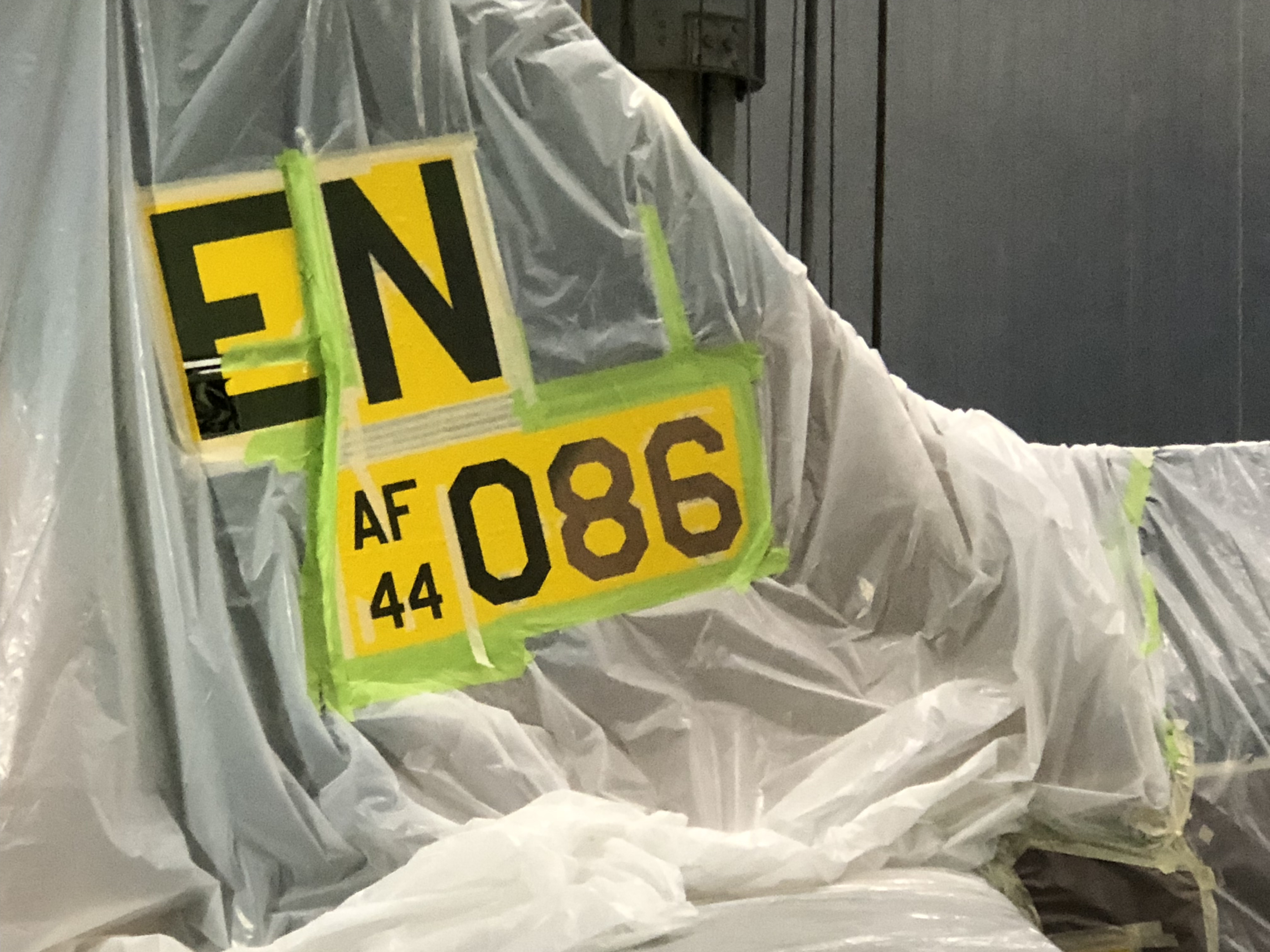
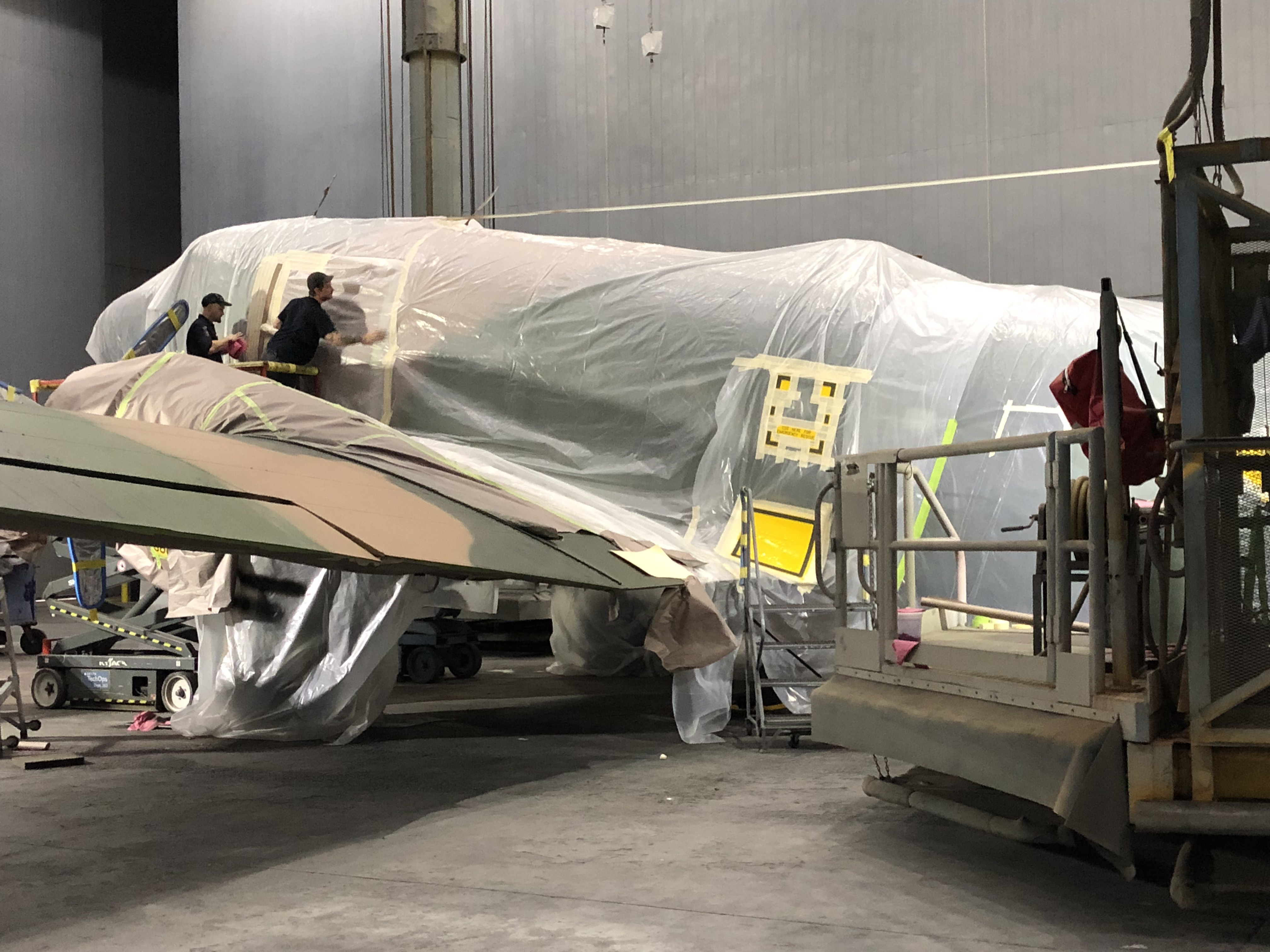
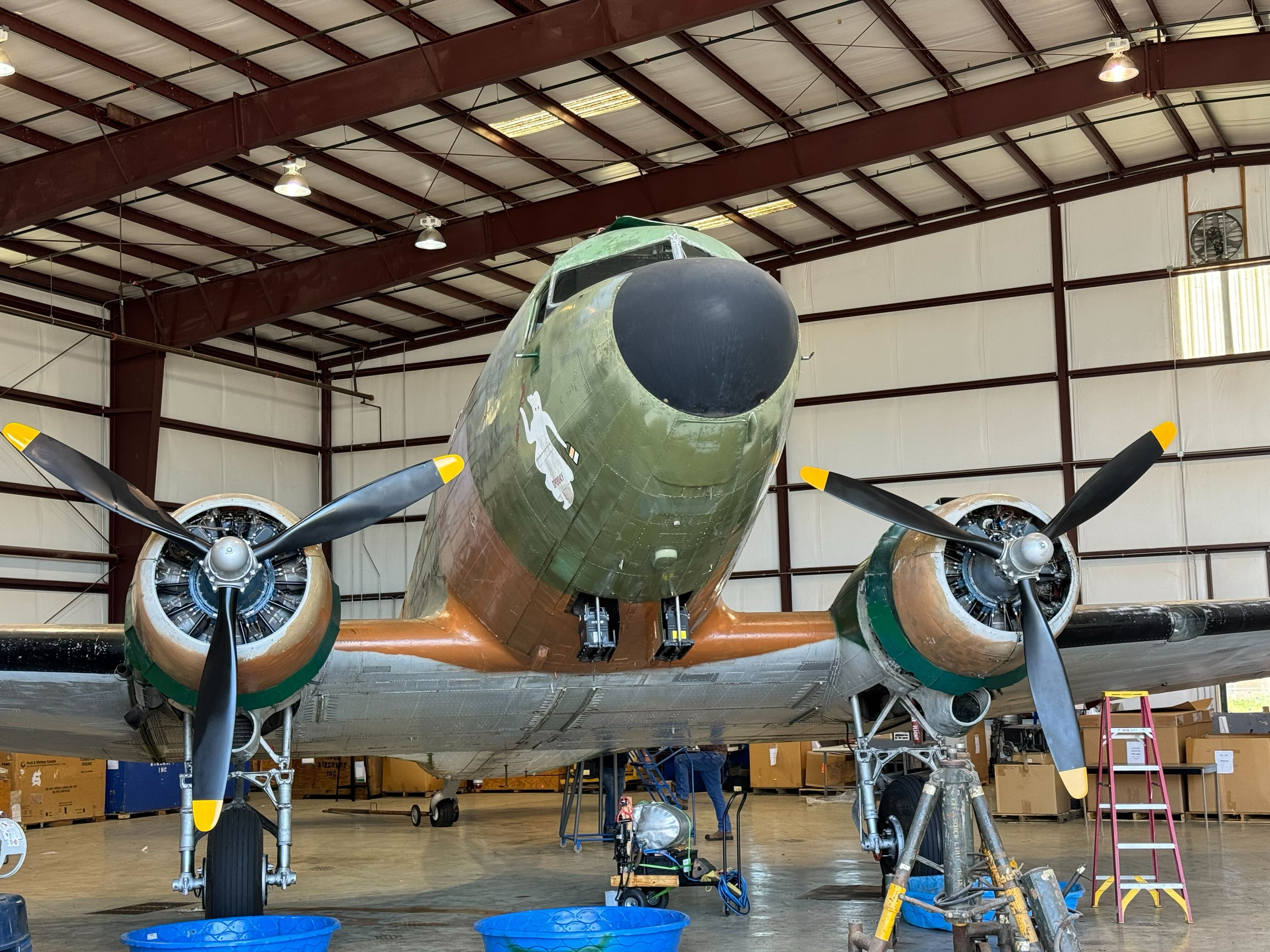
This photo gallery illustrates the restoration efforts, including a brand new paint job that re-creates the Vietnam era camouflage scheme.